













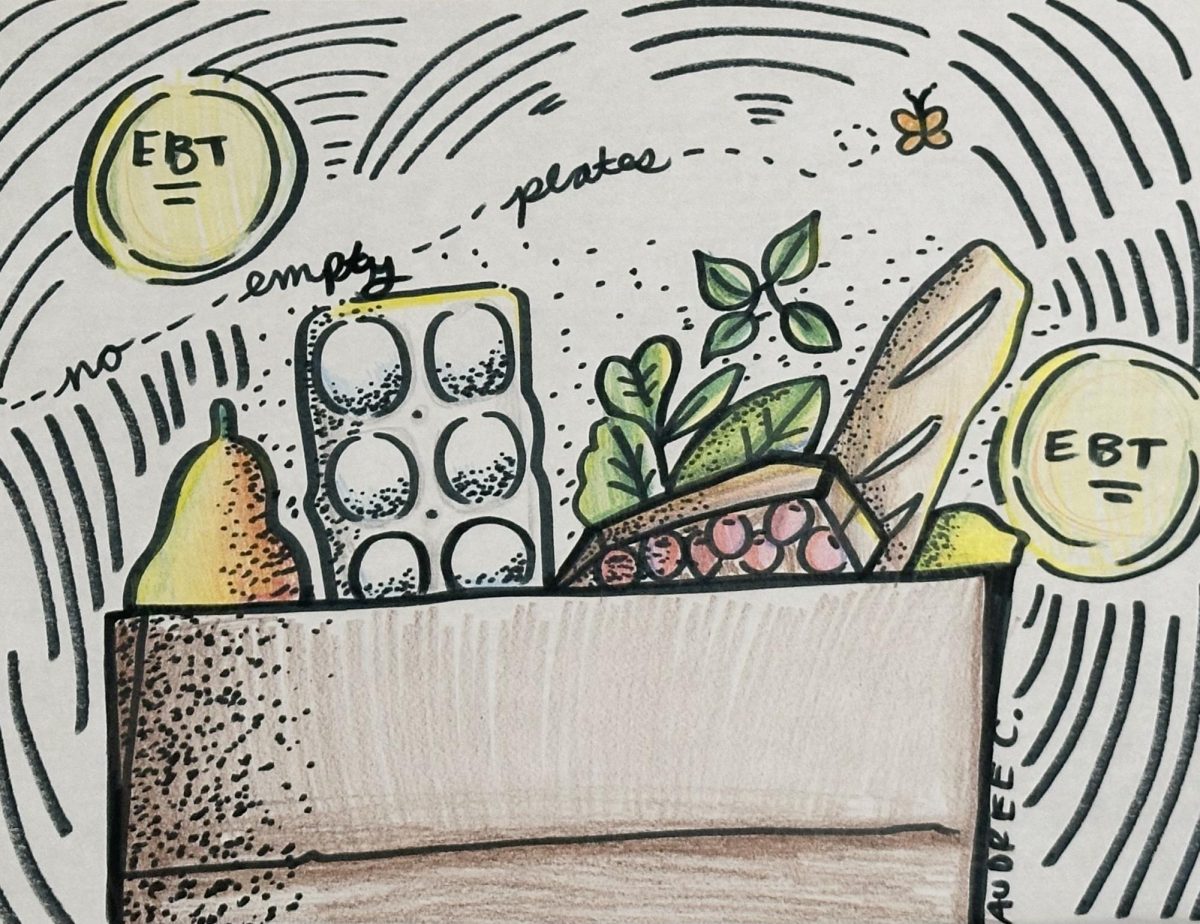
The Supplemental Nutrition Assistance Program (SNAP) has long been a cornerstone of the nation’s safety net for low-income families. However, its stability has been repeatedly challenged by policy decisions made during the Trump administration.
During the federal government shutdown, President Trump threatened to withhold funding for SNAP until the shutdown ended—a move that would have left millions of Americans without the ability to purchase food. In response, cities, unions, nonprofits, and small businesses filed lawsuits to compel the administration to continue providing at least partial assistance. Following court orders, the White House ultimately agreed to partially fund critical food aid programs.
For the millions of Americans who rely on SNAP, these reductions carried immediate and serious consequences. Families who previously received the maximum monthly allotment of $994—or the minimum of $24—were reduced to receiving only half of those amounts, while households receiving mid-range benefits often saw even steeper proportional cuts, according to CNN. These sudden budget changes forced families to make difficult choices between food and other essentials such as rent, utilities, and medical care. Children in affected households faced increased food insecurity, which research shows can negatively impact health, development, and academic performance. The ripple effects extended beyond households, as small grocery stores saw reduced revenue and food banks experienced increased demand.
In San Francisco, local leaders moved quickly to limit the impact on residents. Mayor Daniel Lurie partnered with the Board of Supervisors and the Crankstart Foundation to raise $18 million in emergency funding to support nearly 112,000 residents affected by SNAP reductions. Crankstart CEO Missy Narula emphasized the nonpartisan nature of the response, stating, “We don’t see this as a partisan matter. We see it as a matter of common decency. Our neighbors should not go hungry, and nobody in San Francisco should be living in fear.”
Additional community organizations also stepped in. Foodwise, for example, offered $15 food assistance vouchers to SNAP recipients whose EBT balances fell below $15. These vouchers were available through the end of November, when benefit reductions were most acute.
With the government shutdown resolved, CalFresh participants were able to receive full benefits for November and the months that followed. However, longer-term changes remain a concern. On July 4, 2025, President Trump signed H.R. 1—also known as the One Big Beautiful Bill Act—which alters eligibility requirements and benefit levels for programs including CalFresh and Medi-Cal. Counties are responsible for notifying residents if and when these changes affect them, and additional information is available through official CalFresh and H.R. 1 FAQs.
To further support residents, the San Francisco Human Services Agency (SFHSA) issued GiveCards through the Emergency Grocery Card Program, funded by the Mayor’s Office, the Crankstart Foundation, and the San Francisco-Marin Food Bank. The GiveCard is a one-time prepaid grocery card designed to help families purchase healthy food. Cards must be activated by December 31, 2025, and funds must be used by March 31, 2026. Importantly, receiving a GiveCard does not affect CalFresh eligibility or benefit amounts.
As demand for assistance grows, residents are urged to remain vigilant against fraud. No legitimate agency will ask for personal information such as Social Security numbers or bank account details to access benefits. Now more than ever, community collaboration remains essential to ensuring that no one goes hungry during times of economic uncertainty.
Edited By Camille Ng.

Audree • Jan 23, 2026 at 1:14 pm
Good job
Rosmery Cinto • Jan 23, 2026 at 1:11 pm
It’s really informative