







Sitting by the fire, mesmerized by the crackle of the wood as the amplitude of the flames shifts, watching leaves drift slowly to the ground, watching as they sway back and forth in a random, fluttering descent before they inevitably collide with the ground. Sitting by a window as raindrops, unbeknownst to them, participate in a race, captivated by the patterns and reflections. Sitting in a congested cafe only taking in the sensory details around you–steam from your cup of coffee, the lighting, the abundance of all kinds of people having their own conversations, with all their vastly different lives intertwining with each other in one beautiful moment. While at first glance these scenarios have nothing in common, they all describe “ambedo moments” in our everyday lives, a momentary trance of emotional clarity, where you’re fully absorbed in your current situation, seeing the beauty in everything. The term was coined by John Koenig in his Dictionary of Obscure Sorrows, a collection of invented words for shared human experiences.
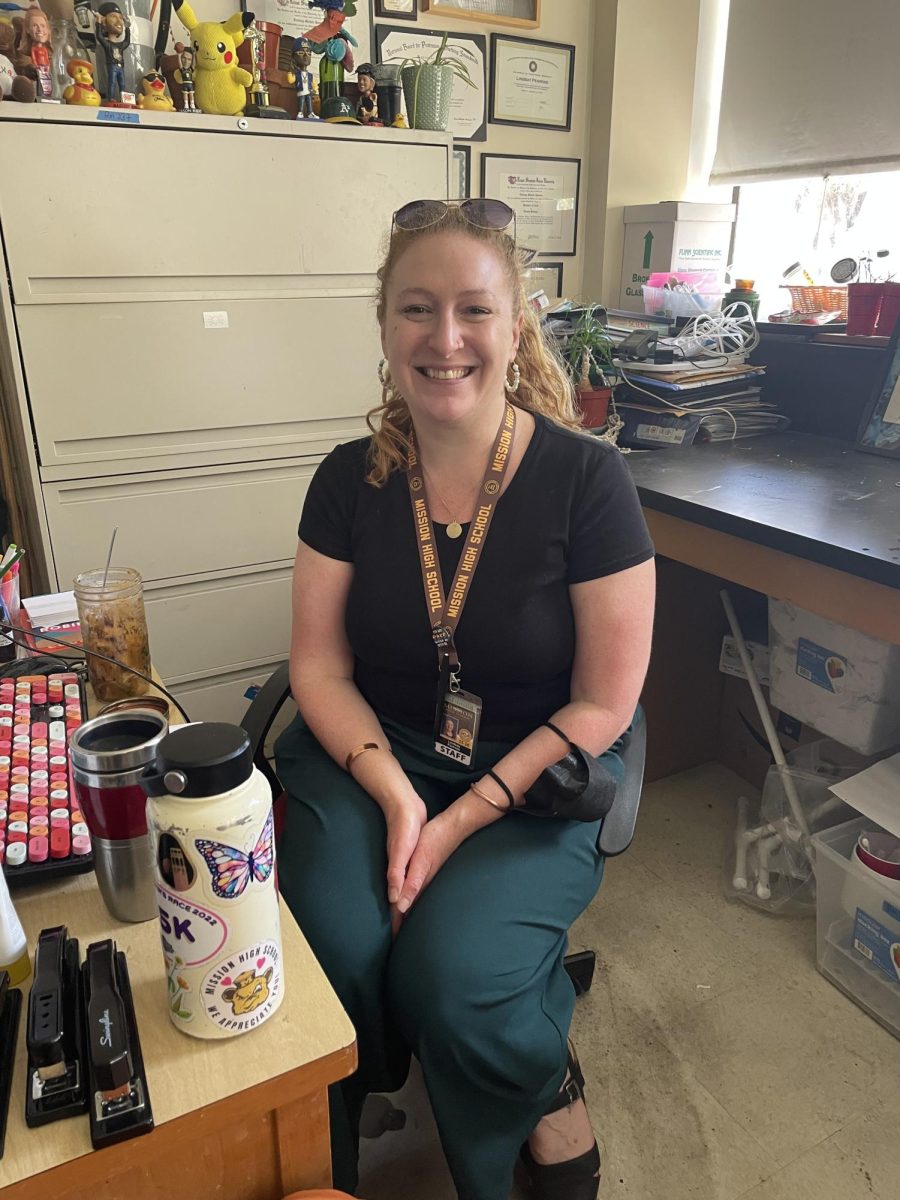
People often correlate efficiency, productivity, and usefulness with happiness. You are allowed to simply exist without justifying your existence with productivity. You are not a machine, and by trying to force yourself into productivity, you are doing yourself and your mental health a disservice. It’s okay to want to achieve and dream big, but it’s not okay to define your worth as a person by your productivity. The way you choose to wind down is just as important as the choice to wind down itself. Chandra Sivakumaran, Social Worker and Wellness Coordinator, speaks on these bad habits that students often indulge in: “Vaping is everywhere, marijuana is everywhere . . . and those lousy phones.” As appealing as it may be to some people, I assure you the damage caused by it is not worth it, with vaping and smoking sometimes even resulting in a condition called “popcorn lung,” which, as it sounds, is an irreversible disease that affects your bronchioles, the smallest airways in your lungs.
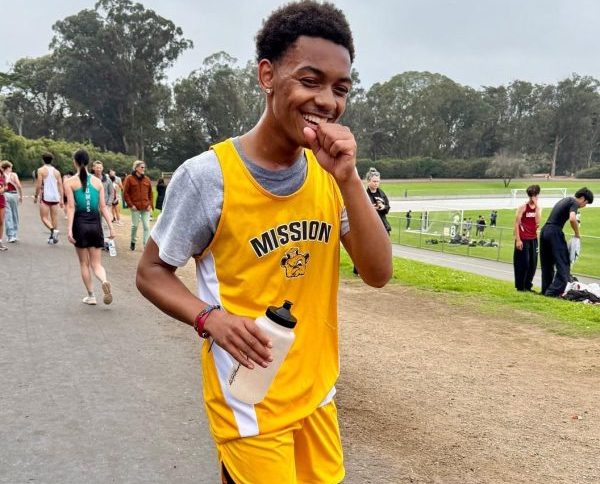
Whether you’re worried about an exam you forgot to study for, passing a certain class, final exams, state testing, or what you’re going to do after high school, it’s important to simply be outside and appreciate even the little things. Chandra notes that a good way he manages stress is by going outside: “I try to get some nature and then exercise.” Students should also keep themselves busy, whether it be instruments or afterschool activities in general. David Tapia, a junior at Mission High, also destresses in a similar way: “[I] listen to music, walk my dog, go like outside of my house . . . you’re seeing nature, you’re breathing air . . . it helps you stop thinking about the work you have to do,” showcasing how sometimes seemingly small or normal parts of your day can brighten your mood significantly. The only moment we have is now, and wasting all your energy on worrying won’t change anything, so make the most of the moment, and know that it will pass before you know it.
Even if the idea doesn’t sound super appealing initially, just spending a few moments laying in a field of grass, listening to the sound of the leaves brushing against each other and feeling the wind on your face and each blade of grass nudging at your skin, will hopefully change your mind. So next time you feel your heart sink after you realize something just a little bit too late, take a deep breath, understand what’s already happened, go outdoors, and find yourself captivated by the cacophony of sounds blending together seamlessly all around you as your worries fade away.