







Stockton
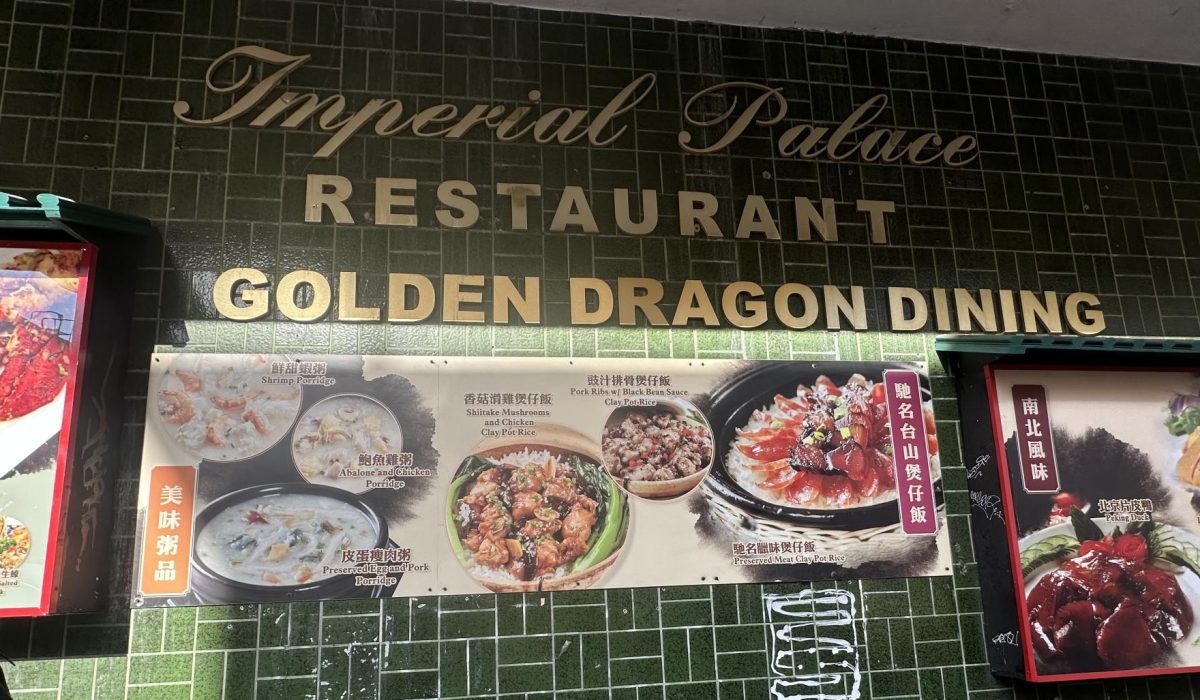
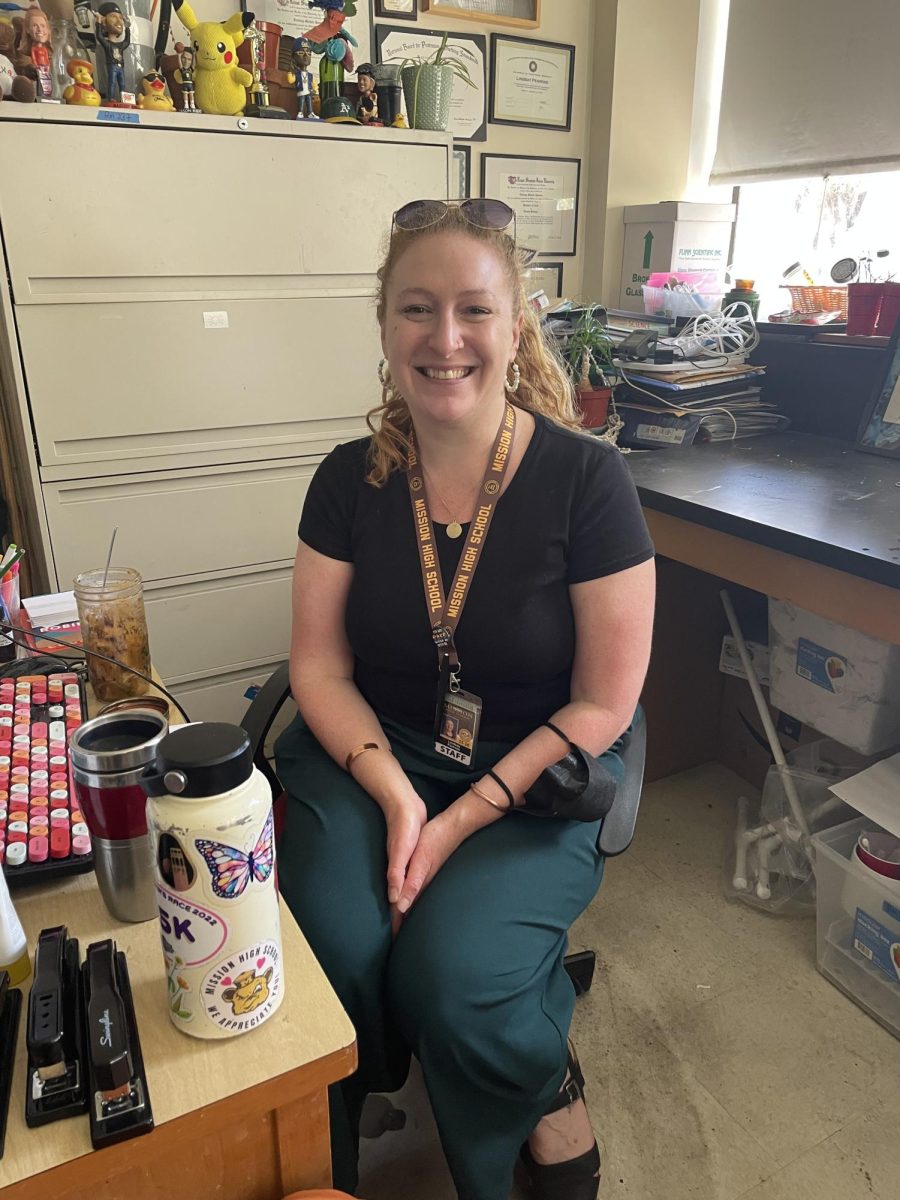
“[Stockton St.] is not for tourists — it’s for the people who live here,” explains Josh Chuck. Stockton offers visitors a glimpse of the daily lives of Chinese immigrants, acting as a hub for the stores and services that immigrant Chinese families rely on. Here you’ll find an abundance of Chinese grocery stores, aromatic wafts of roasted duck from delis, and seafood markets.
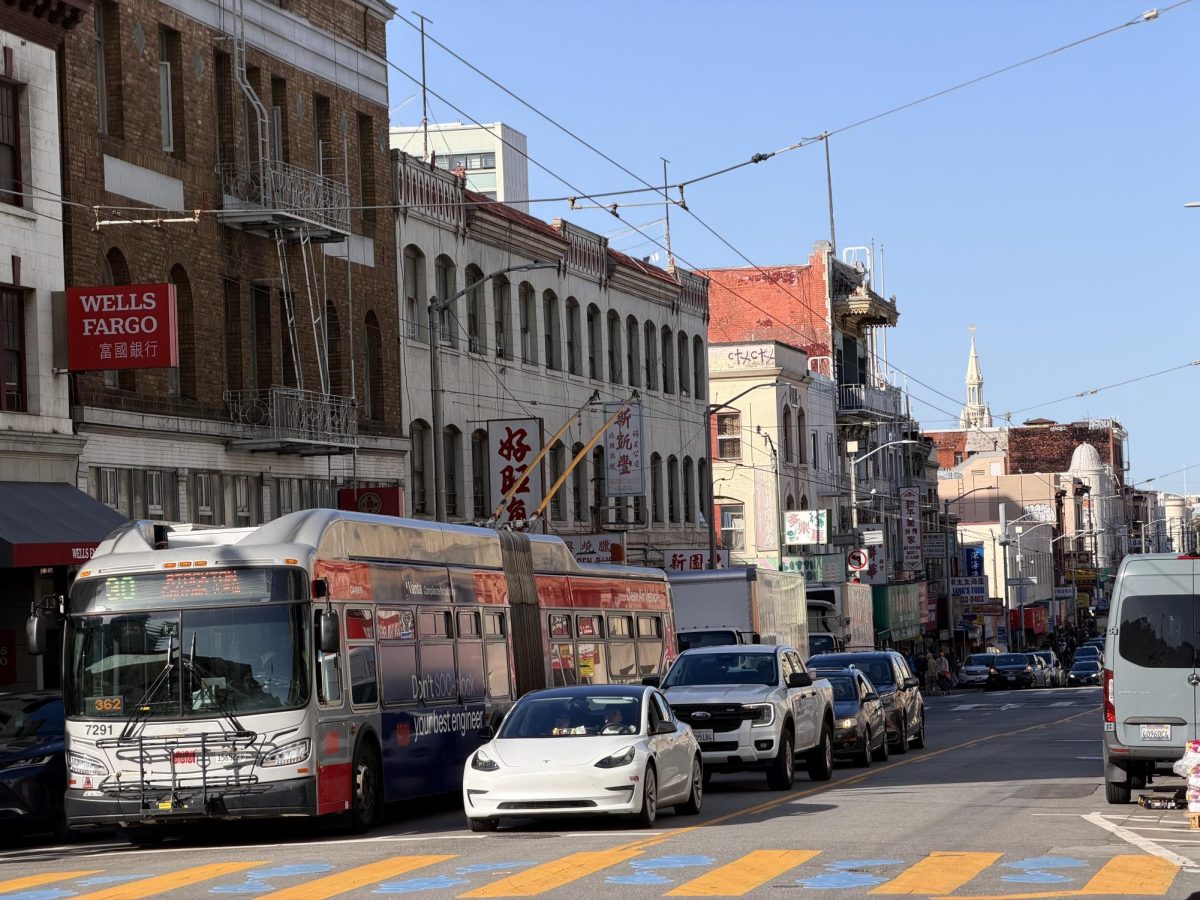
Stockton also houses a one-of-a-kind Muni train station for the T train. It’s 11 stories deep underground, and sparked controversy for its costly train track that cost $1 billion per mile. However, this extraordinary train station symbolizes the reliance that Chinatown residents have in public transportation:
“Here in Chinatown we feel like we deserve good public transportation,” states Josh Chuck. Fueled from the lack of parking, effective public transportation is a must-have for the big elderly population in Chinatown.
Ross Alley
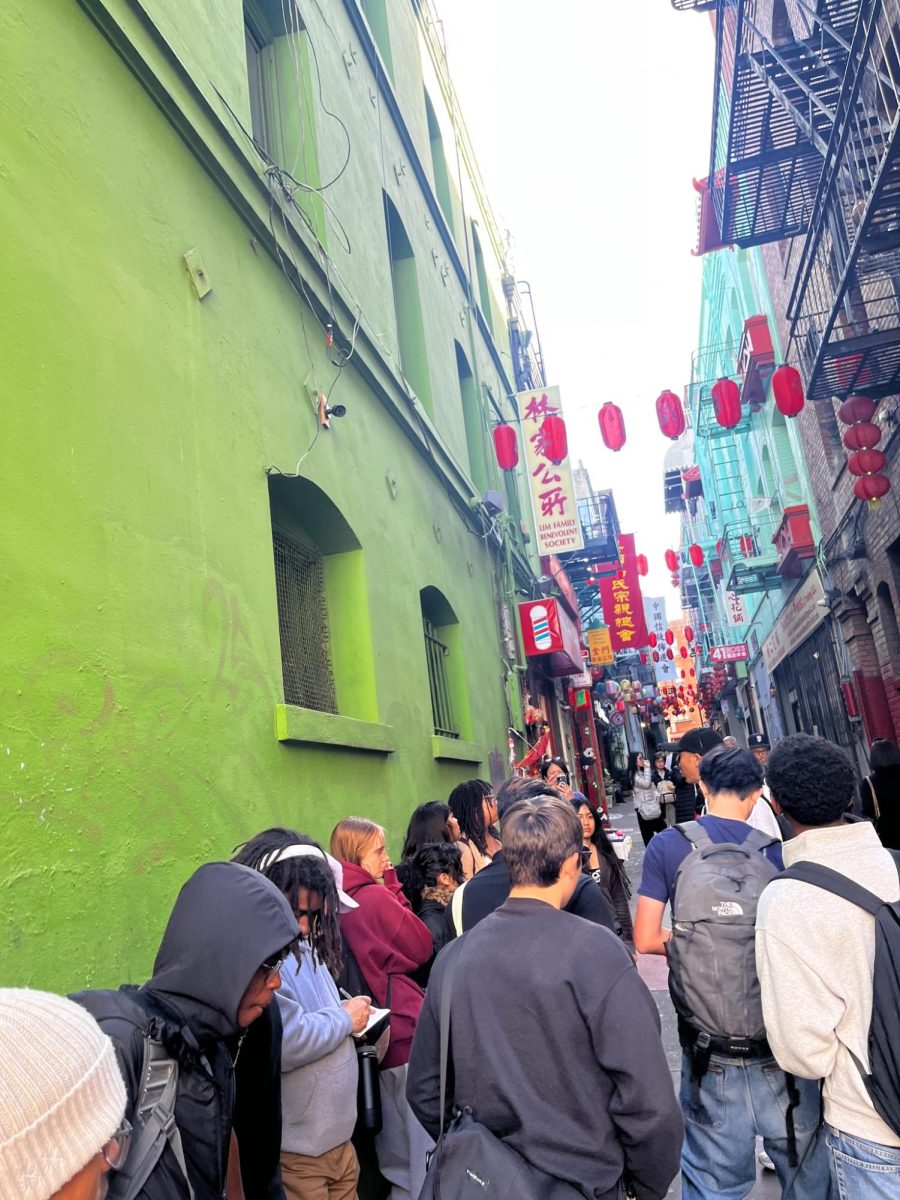
There are 42 total alleys in Chinatown. Most of the alleys in Chinatown are front alleys unlike the rest of the United States. That means the alleys hold store fronts, instead of the trashcans of restaurant back doors.
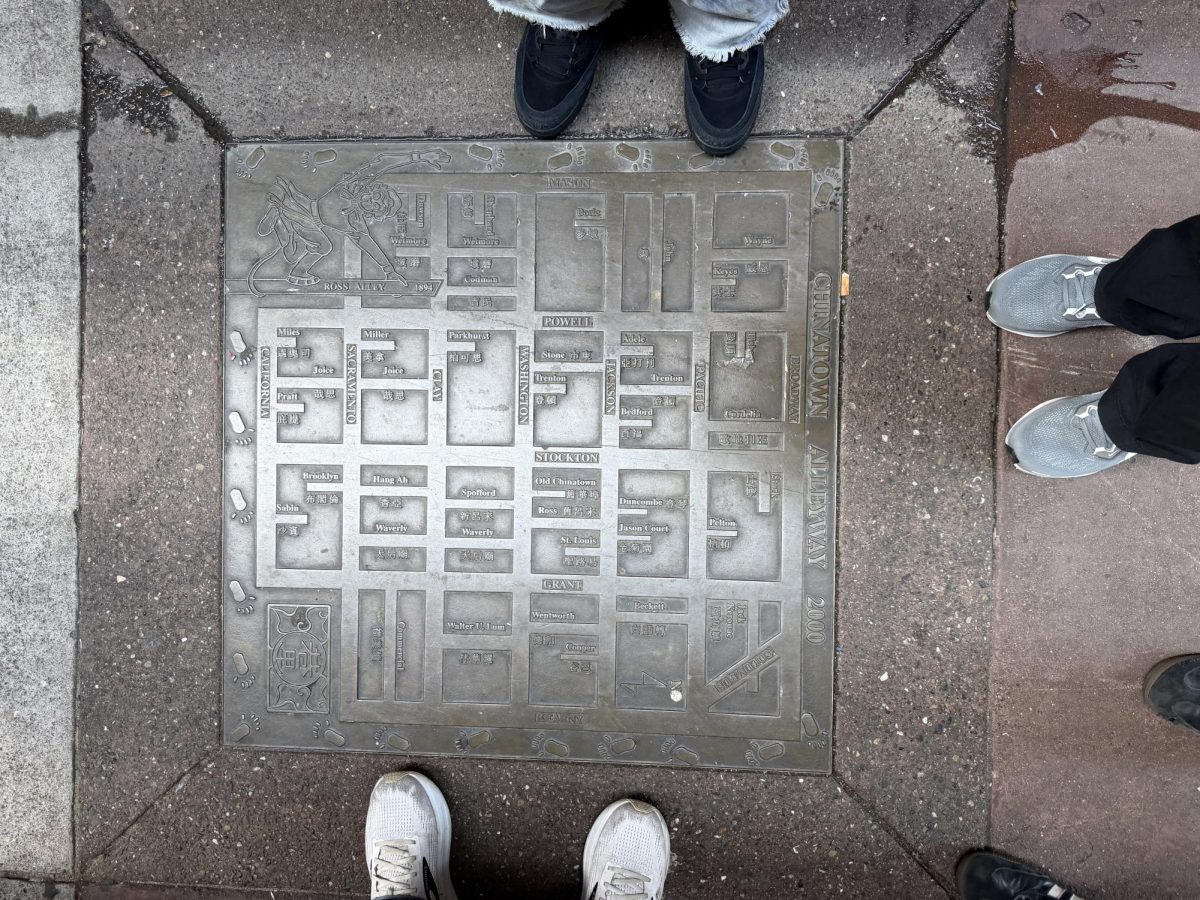
“The alleys were always dirty and I mainly avoided them.” Mr Chuck said. In the 90’s some high schoolers were displeased with the cleanliness of the alleys, so they came up with a smart way to get City Hall’s attention. The students critiqued each alley and gave it a letter grade from A-F, most of the alleys got bad grades. These “grades” got into the news which grabbed the attention of city hall. The city didn’t want tourists in these filthy alleys so they cleaned up each one. Ross Alley was the first to be cleaned up. This was done in the year 2000.
Contributors: Brandon Drawn, Staff Writer