







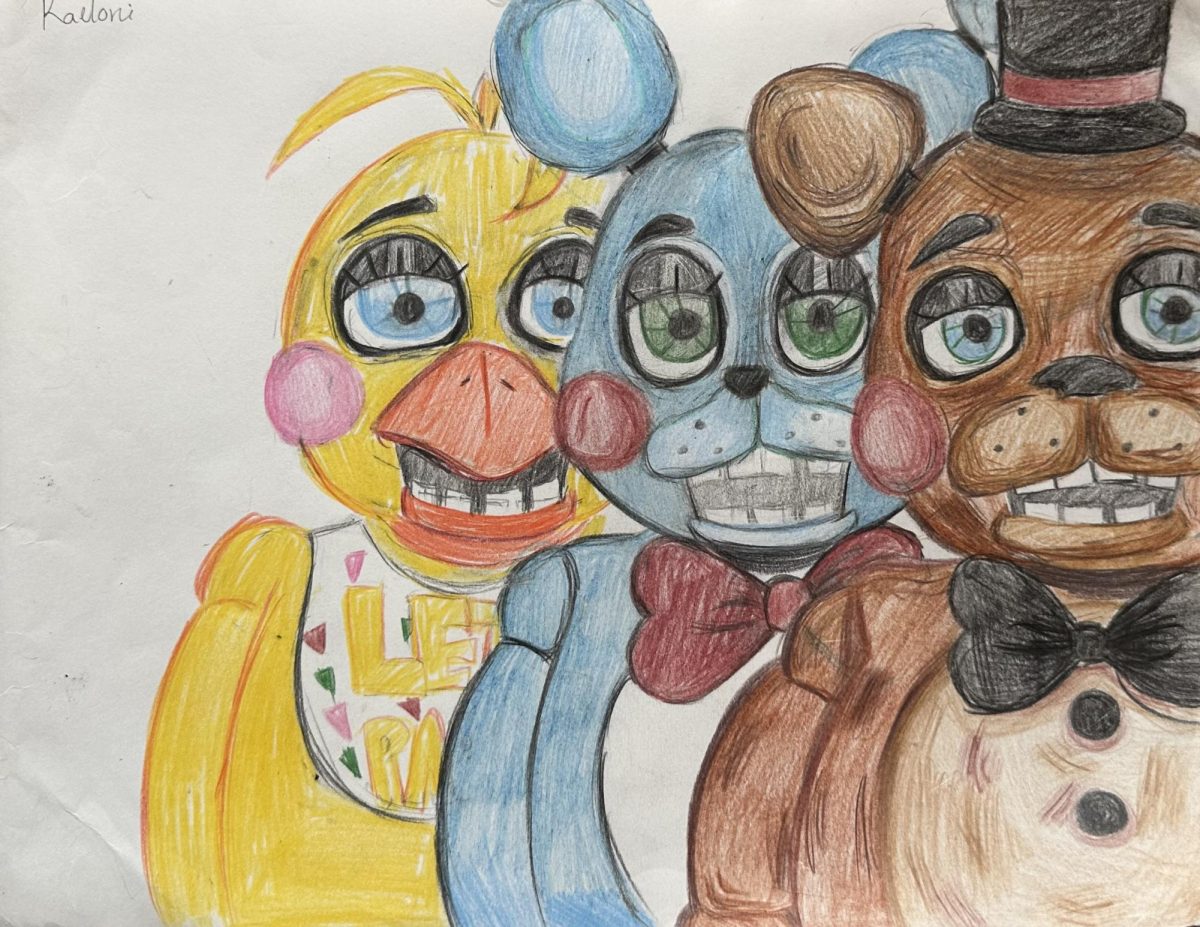
When I began watching the sequel, the plot immediately felt slow and boring. What was meant to lure viewers in with suspense instead dragged on, and the film strayed far from the game’s original worldbuilding. Rather than building tension the way the games do, the movie felt watered down and unfocused.
Several elements that should not have been changed were altered simply to make the movie more marketable to children, which I believe was a poor decision. Five Nights at Freddy’s was never created for a young audience, and changing crucial aspects of the story took away from its original meaning and darker tone.
As someone who has followed the video game series for a long time, I found the sequel especially disappointing. The sequel was released in theaters in early December 2025, while the original movie came out on October 27, 2023. Despite my criticisms of the sequel, the way the story was left open suggests that another installment is still possible.
To understand why these changes are so frustrating, it helps to look at the original game’s story. The Five Nights at Freddy’s franchise began with two men, William Afton and Henry Emily, who worked together to create animatronic robots for a business called Fredbear’s Family Diner. William Afton was the founder, and Henry Emily was his co-founder. Afton was a deeply disturbed man who kidnapped and murdered five children before mysteriously disappearing. This backstory is essential to the series, yet it is not how the movies begin.
One major change appears right at the start of the films. In the movie, the main character’s little brother is kidnapped on-screen. In the games, William Afton did not kidnap children in public. Instead, he wore animatronic costumes inside the pizzeria and lured children into the back rooms, where he murdered them. This change significantly alters both the tone and the realism of the original story.
Another significant difference is the portrayal of William Afton’s “death.” In the game, the souls of the five murdered children—trapped inside the animatronics—chase Afton into a back room. In a desperate attempt to survive, he puts on the Spring Bonnie suit, which contains spring locks designed to hold back the animatronic parts. Because the building is deteriorating and water has leaked inside, the spring locks snap shut, crushing him. Although he is believed to be dead, his body fuses with the suit, allowing him to survive. In the movie, however, the animatronics drag him away after the spring locks appear to fail without much buildup, which removes much of the impact and symbolism present in the game.
Despite these issues, there were aspects of the movies that I enjoyed. Seeing the animatronics on the big screen was exciting, and I appreciated the references to the games and the attention to small details. The first movie created a strong sense of anticipation for me, especially because I hoped to feel nostalgia from a franchise I grew up with. Unfortunately, those expectations were not fully met due to the changes made to the story.
Even though I did not enjoy many of the creative decisions, I do not believe that criticism alone should prevent someone from watching the movies. I personally dislike how major parts of the story were altered, but the films may still appeal to viewers who are interested in seeing the Five Nights at Freddy’s universe reimagined as a film series with a soft reboot. These changes allow for new surprises, different plot directions, and an alternative way to experience the franchise.