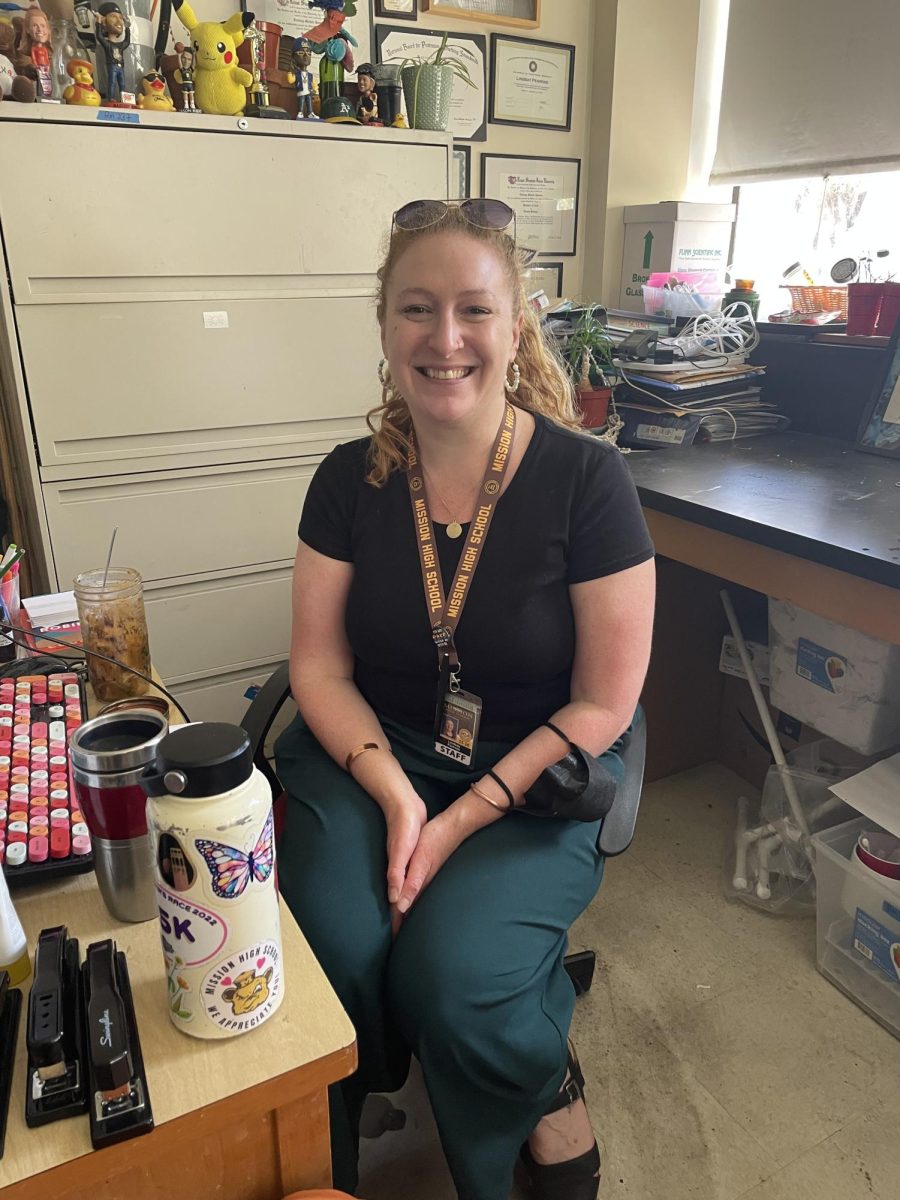


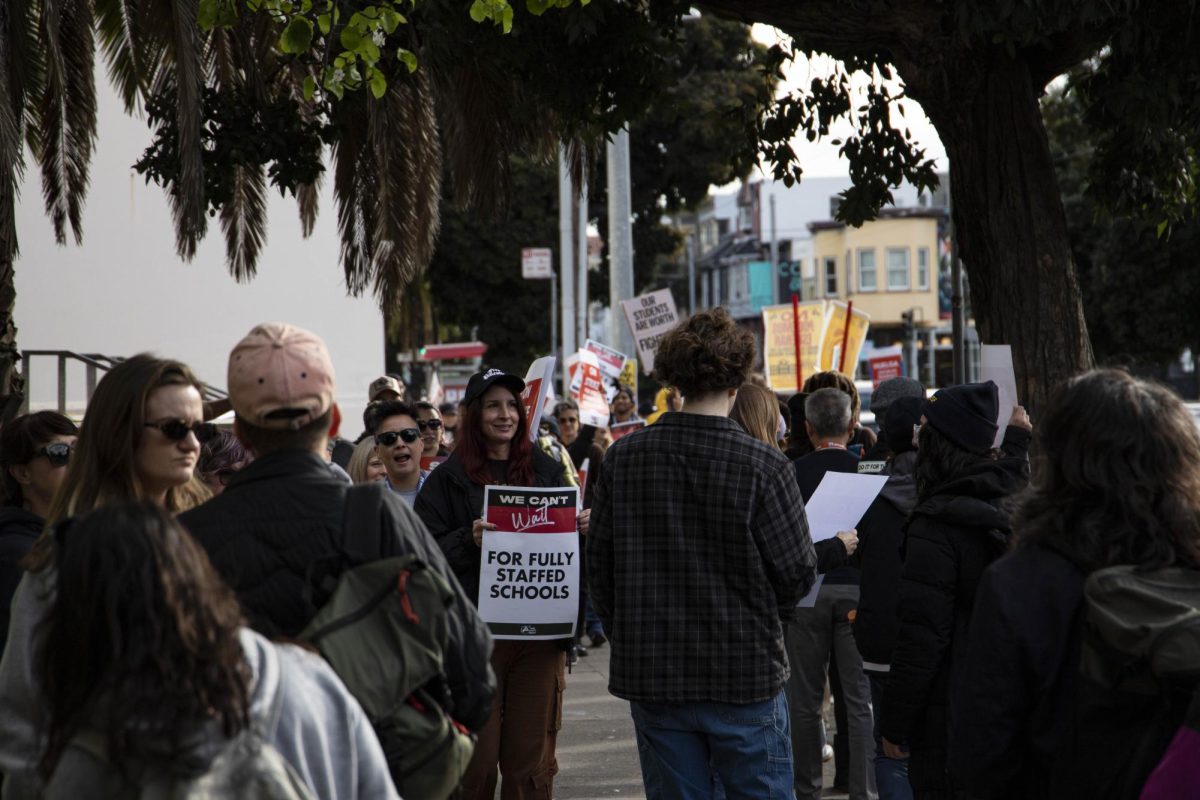
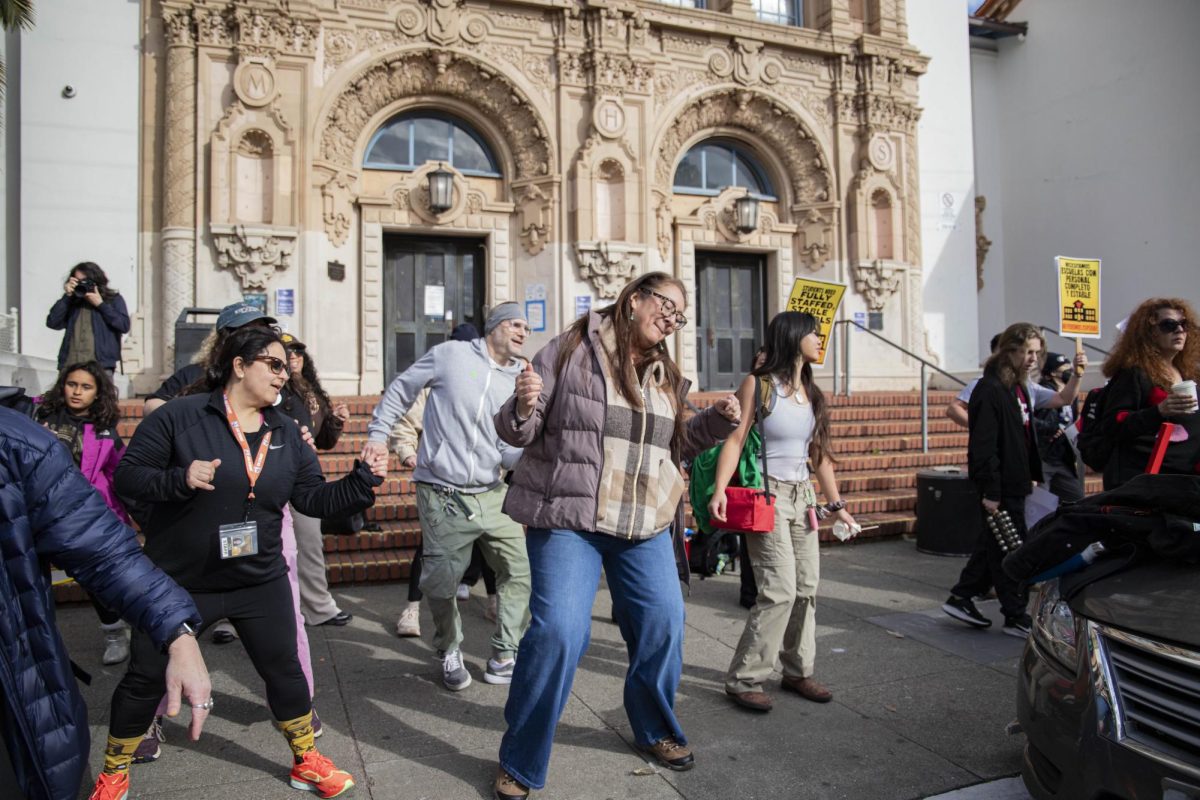

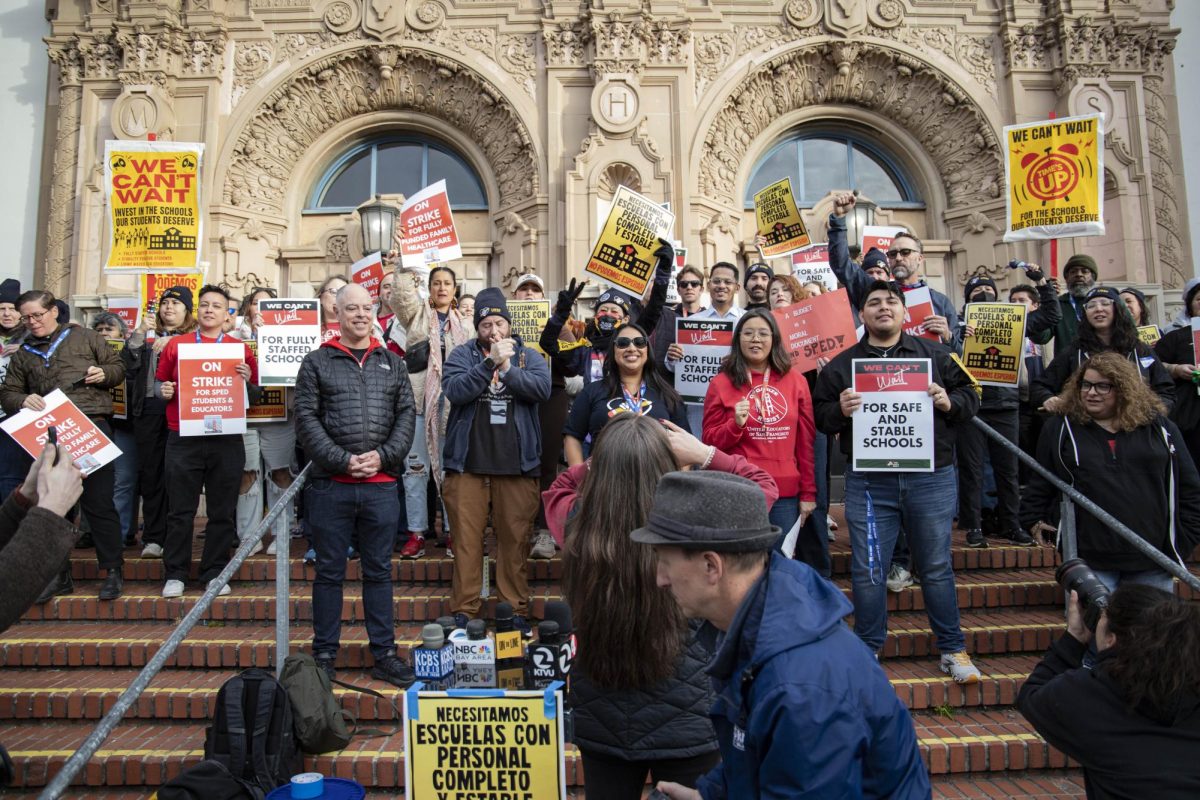
Ms. Castillo, social studies teacher, ethnic studies teacher, and US history honors teacher at Mission High School, was a strike captain; here’s what she has to say:
- What was your experience of being on strike like?
Ms. Castillo said she worked very hard to make the strike come to life, and rather than feel like she had a burden lifted off her shoulders once it had ended, it was rewarding to see her hard work pay off.
“I had so much fun…It felt so rewarding to be out there like, it was really hard, it was really difficult, and like my kids were there with me.”
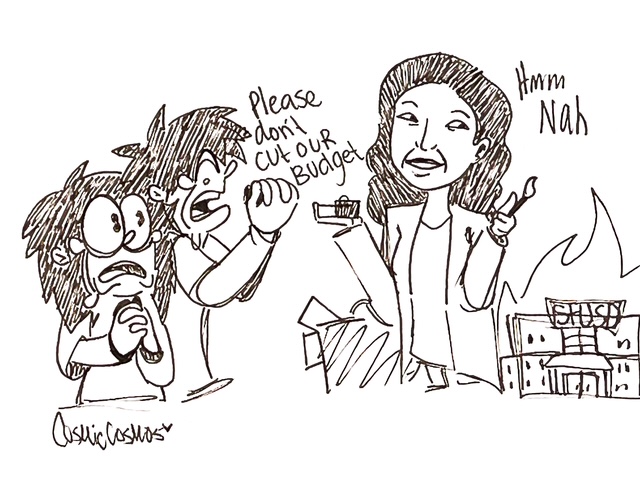
She believes it’s important we acknowledge and show our appreciation for all of the staff and students who made the strike possible and participated in the strike, and fought for what they deserved despite the constant pressure and fear of the uncertainty for what could happen next.
“There was a lot of pressure to make sure that everything was gonna be okay… [and] I just felt so incredibly proud of all our collective effort to fight for what was right…We were able to rely on each other, to be able to tap in on every single person in the building needed in order to be out there on the picket line.”
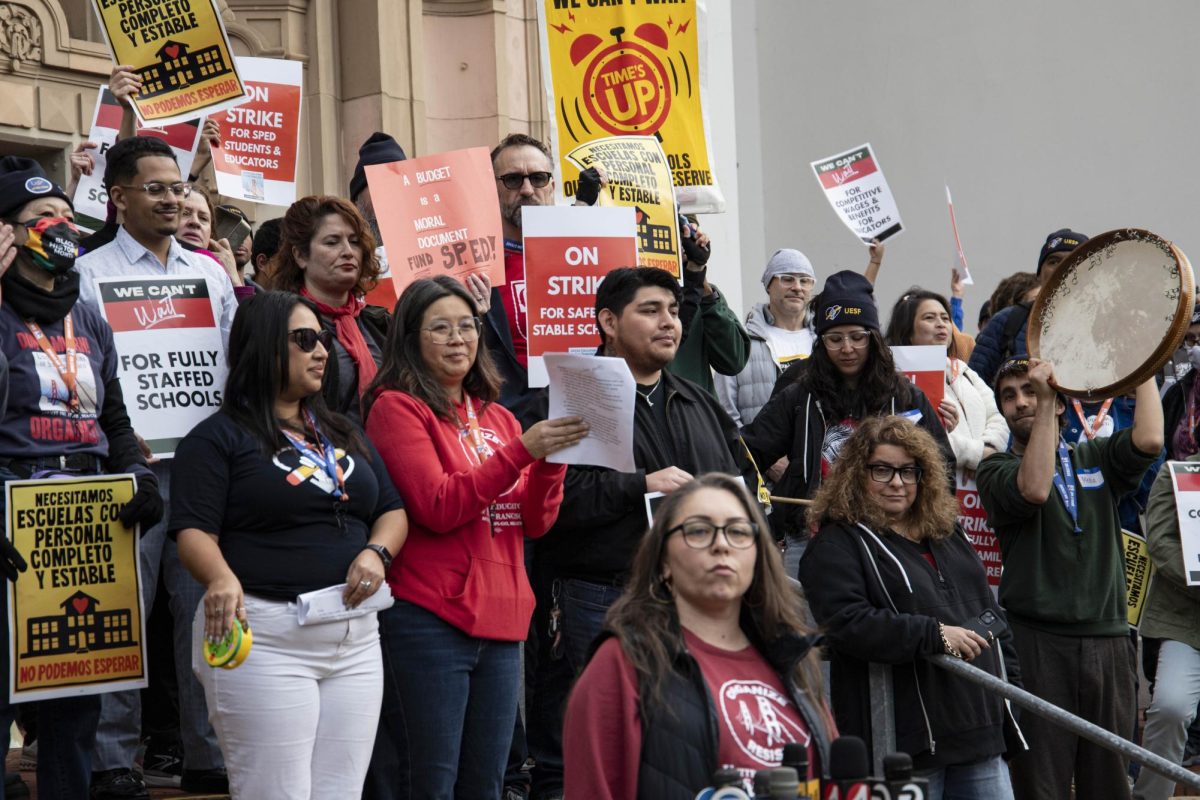
- What will you remember from this experience?
Ms. Castillo said that since this was the first strike since 1979, almost 50 years ago, there’s no doubt that this event will become a historic part of our school district for decades to come. Ms. Castillo thinks she played an extremely important role in organizing the strike, and she’ll definitely look back on this moment and fondly remember the unity of our entire district, despite feeling the constant need to produce outstanding results all while having fewer resources than they need, which this strike could help with.
“Together we can fight as a school for the things that our students deserve…There’s so much pressure for schools to produce so much academic progress, yet we don’t get the resources that we need to accomplish that… They don’t know what it takes to be an educator, but everybody is really quick to critique education and teachers.”
The entire district got together, not just Mission High, and Ms. Castillo believes it’s because of this unity that we were able to make an impact and were able to achieve our common goal. Withholding labor as a form of retaliation has been a key part in shaping the United States, and these labor strikes are what created labor laws, eight hour days, and so many other policies that are now the bare minimum.
“We talk about labor movements as something of the past, and here we are in 2026, engaging in the very same strategies that we talk about in class, so to see it come to fruition and practice is something that, as a historian, I totally geeked out on.”
People outside of the district were showing their unison with the students as well as the staff, and their reasoning behind the strike, the need for change.
“It wasn’t just the teachers, it was the folks who were standing in solidarity with us, whether it was parents or it was students. Whether it was the admin in the building, the clerks, the custodial team, right, Recology was like ‘we’re not crossing the picket line.’”
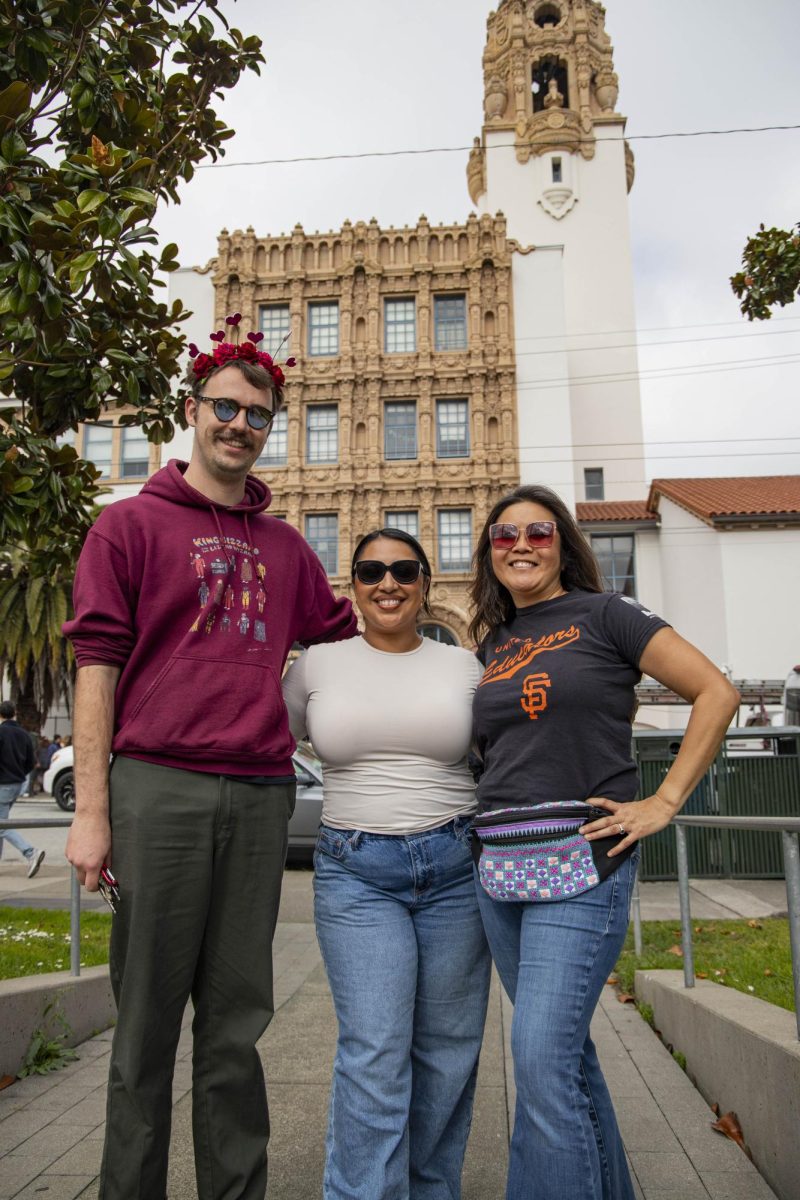
Ms. Castillo notes that what was most important to her was how her family supported her as well, “[But] Honestly, what, for me, was most important is that my kids were there; my kids witnessed everything, they saw what was going on behind the doors, what was happening during the meetings.” She credited the unity between people for the success of this strike.