







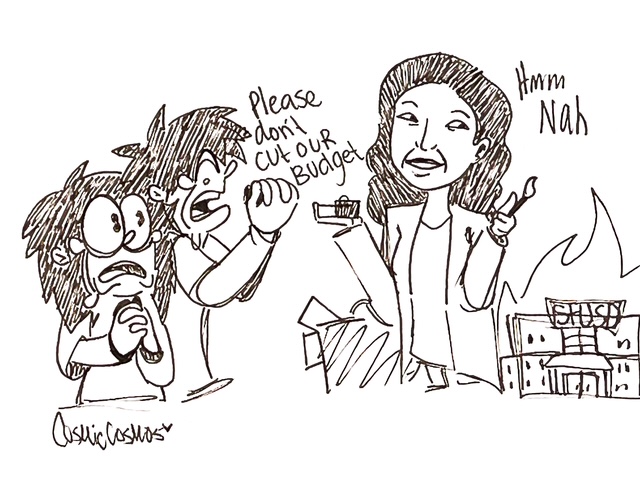

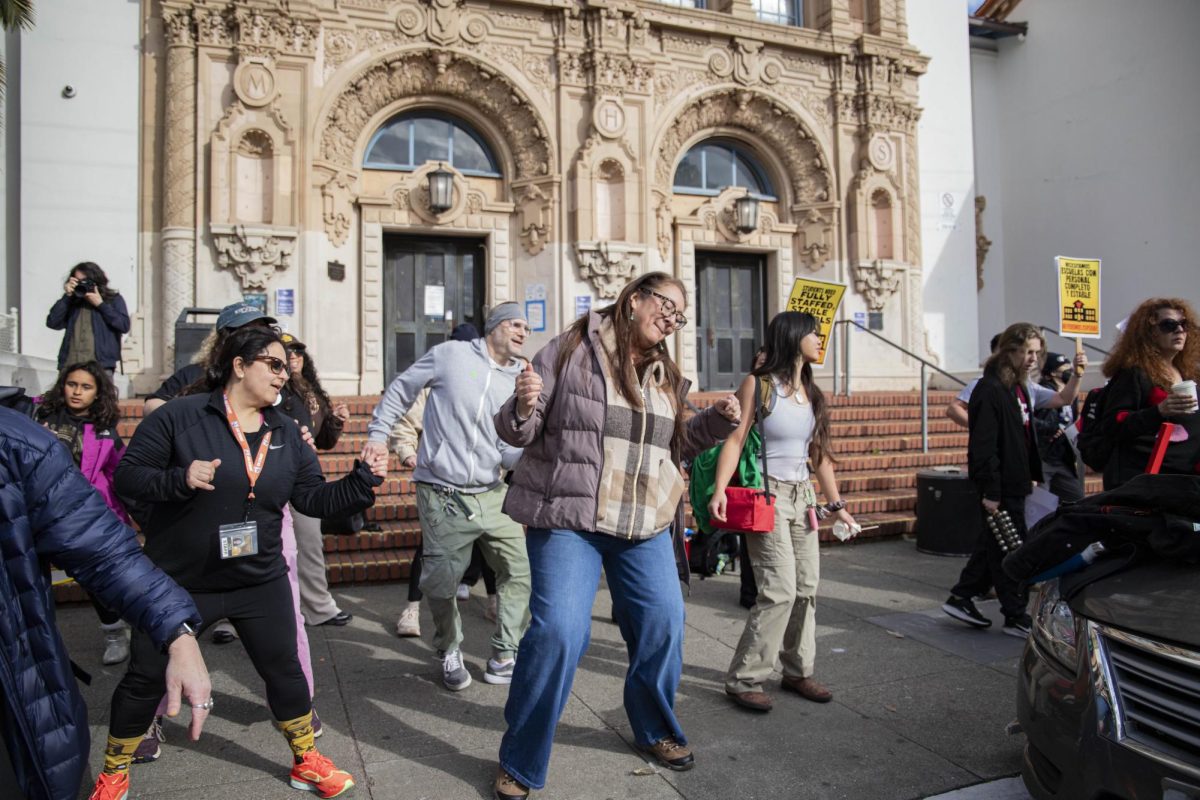



This summer, attempts to restrict Ethnic Studies programs in the San Francisco Unified School District (SFUSD) continued to spark controversy amongst people nationwide. The future of Ethnic Studies classes seemed bleak, with huge budget cuts and constant pushback from people of power and parents alike. Supporters of this program argue that the class offers students a fuller, more accurate understanding of history by providing multiple perspectives from historically oppressed groups, while others argue that the curriculum is politically biased and misrepresents history. After a hard fought battle, Superintendent Dr. Maria Su announced a comprehensive plan for the 2025-2026 Ethnic Studies curriculum.
Rather than pausing Ethnic Studies in SFUSD, Dr. Su adopted a curriculum used by other schools, which was approved by the Board of Education. The new textbook curriculum is called “Voices,” and claims to amplify voices and explore the counter-narratives of marginalized groups. Details remain limited on the SFUSD website, and teachers have only begun receiving training on this curriculum as of late October, 2025. After speaking with an Ethnic Studies teacher who asked to remain anonymous, they say that the new curriculum does include multiple perspectives throughout history, however it isn’t as student friendly, and is very densely packed, which doesn’t allow them to really focus on important events.
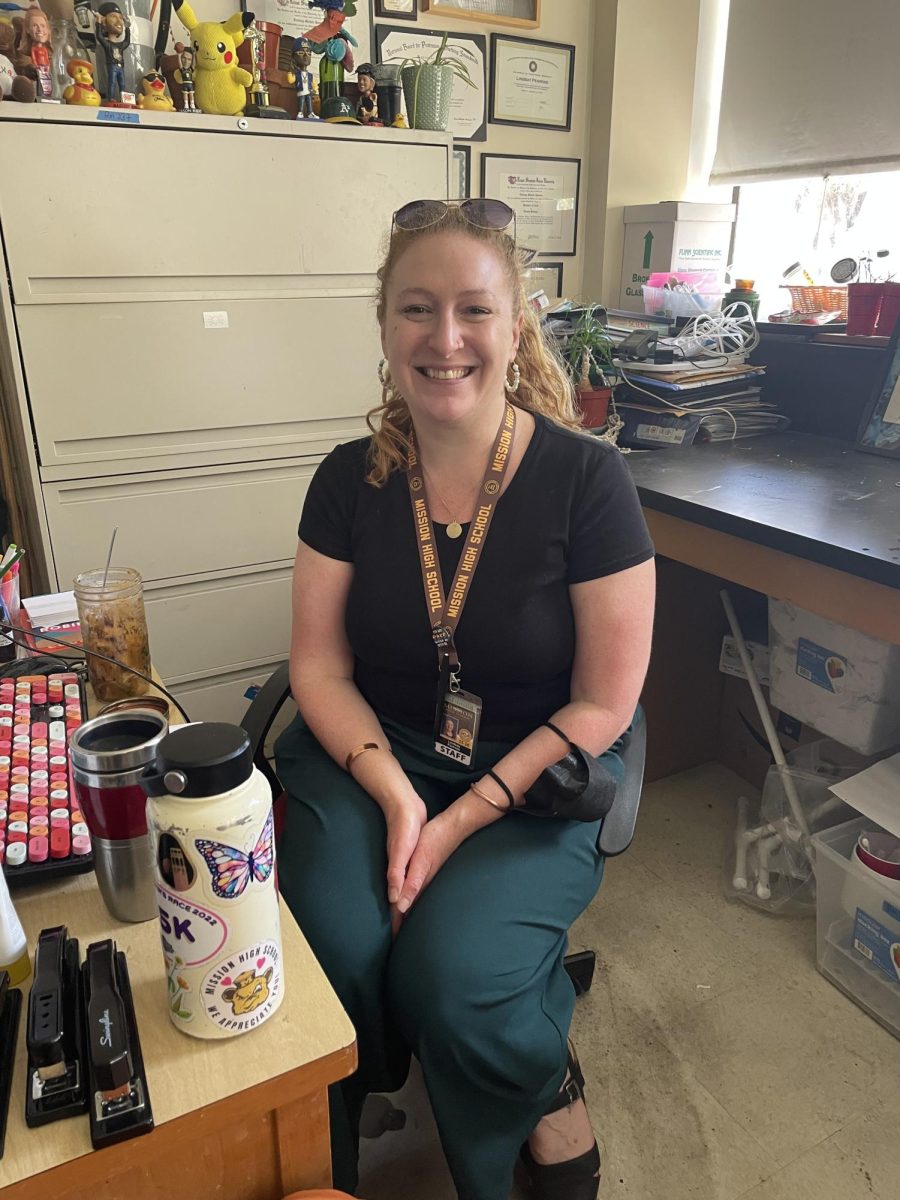
Another teacher, Ms. Riechel, a former Ethnic Studies teacher and one of the first teachers to be part of a planning committee in 2008 to help create the Ethnic Studies framework, stated that “the textbook aligns pretty well to what teachers were already teaching before.” However, she also mentions “the district hasn’t done, in my opinion, enough to really develop the whole curriculum for the district, so there’s a lot of holes.”
San Francisco’s struggle isn’t unique; in the past, similar programs have faced resistance across the country, with one of the most well-known cases being in Tucson, Arizona, where the state passed a law banning Tucson’s Mexican American Studies program. Similar to what’s happening today in SFUSD, supporters of this law said it promoted animosity toward other races. This was in 2010, and it was only until 2017 that a federal court ruled that Arizona’s ban on Mexican American studies was racist, discriminatory, and violated students constitutional rights. Even with this ruling, critics argue that restrictions like these are still threatening our schools, under the excuse that the curriculum is uncomfortable for students, preventing racial resentment, and pushing a certain narrative.
Even as recently as 2022-2023, Florida banned AP African American Studies, and passed the Stop W.O.K.E. Act, which prohibits teaching certain concepts related to race. This is not the first time the U.S. has tried to silence marginalized voices, with some books being banned because they’re “too political” or “too racial.”
A different Mission Ethnic Studies teacher who requested to be anonymous argued that it isn’t about protecting students, but political control, “What I’m hearing is we don’t want to have students that have these lenses in which they can look at society through,” and they add onto this idea by saying: “If we don’t have those critical lenses or frameworks to look at the policies, look at the laws, look at the actions that are being taken against us, then we can’t identify what the problem is.”
Teachers believe that the inclusion of Ethnic Studies allows for deeper understanding of American history, by including experiences from communities often left out of the traditional curriculum, such as Black, Asian, Latino, Indigenous, and more. The same anonymous teacher describes it as the following: “Some kids really get it, other kids are just like whatever it’s no big deal, but for some kids it means something. It means something important to be able to see themselves in a positive light, and not in the mass national narrative.” By creating this positive light, students have motivation to improve themselves; with studies from Stanford and UC Irvine showing that ethnic studies courses improve attendance and overall GPA of students at SFUSD, which school workers believe is due to a greater sense of belonging. As SFUSD introduces its new curriculum, the question of not only whose stories are told, but also how they’re told, remains the center of attention in every classroom.
SOURCES