













Chinese immigration to the United States began in significant numbers in the mid-19th century, especially during the California Gold Rush and the construction of the Transcontinental Railroad. Most early immigrants came from southern China, particularly Guangdong province. In the late 1800s, anti-Chinese discrimination led to laws such as the Chinese Exclusion Act of 1882, which severely restricted Chinese immigration and limited the rights of Chinese residents already in the United States.
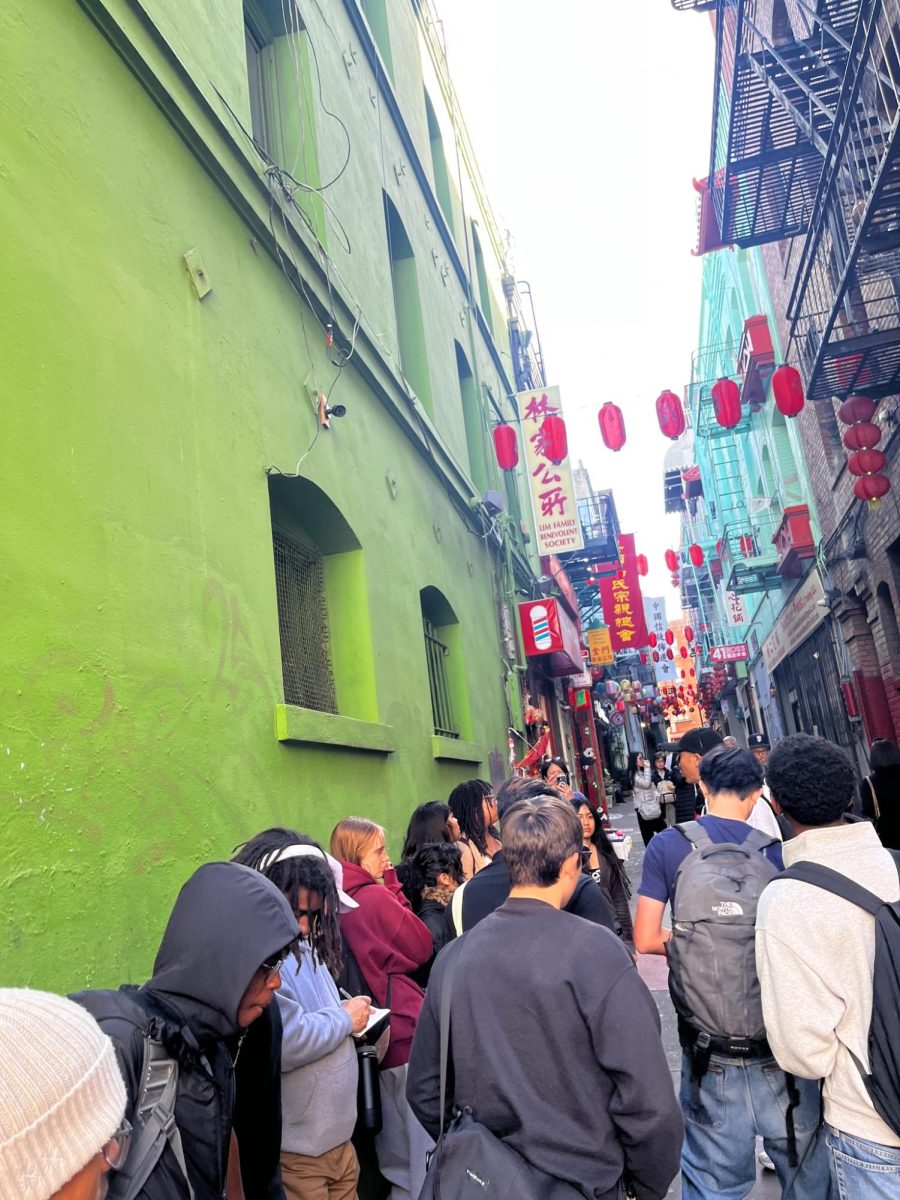
Many Chinese immigrants settled in San Francisco and formed what became known as Chinatown. Over time, the neighborhood faced discrimination, political pressure, and proposals to relocate it outside of the city’s central business district. However, after the 1906 San Francisco earthquake and fire destroyed much of the city, Chinatown leaders chose to rebuild in the same location. Rather than moving the community, they worked to reconstruct the neighborhood and later developed it in ways that attracted tourism. This helped strengthen the local economy and contributed to Chinatown becoming a major cultural and tourist destination.
In 1965, the Immigration and Nationality Act (also known as the Hart-Celler Act) ended the national origins quota system, which had previously restricted immigration from Asia and other regions. This law significantly changed U.S. immigration policy and allowed for increased immigration from Asian countries, including China and Hong Kong. Following this change, Chinese immigration to the United States increased, contributing to the growth and diversification of Chinese American communities.
Today, San Francisco’s Chinatown remains one of the oldest and most historically significant Chinese communities in North America, shaped by immigration, discrimination, resilience, and cultural preservation.
Address: 845 Grant Ave, San Francisco, CA 94108