









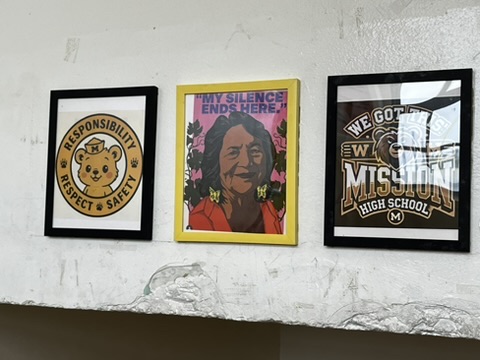
On March 18, 2026, The New York Times published a detailed investigation into sexual assault allegations against Cesar Chavez, a Civil Rights icon. These investigations included revelations from Dolores Huerta, who had two children with Chavez, stating that these children were the result of sexual assault and abuse. This news was in addition to other girls who were abused and raped by Chavez for years, also speaking on their experiences.
Young women today might react to the reported news involving Cesar Chavez in a variety of ways, perhaps questioning how leaders are held accountable and demanding respect, fairness, and the treatment of women in movements for social change, especially since the assault and abuse occurred during a movement fighting for better working conditions.
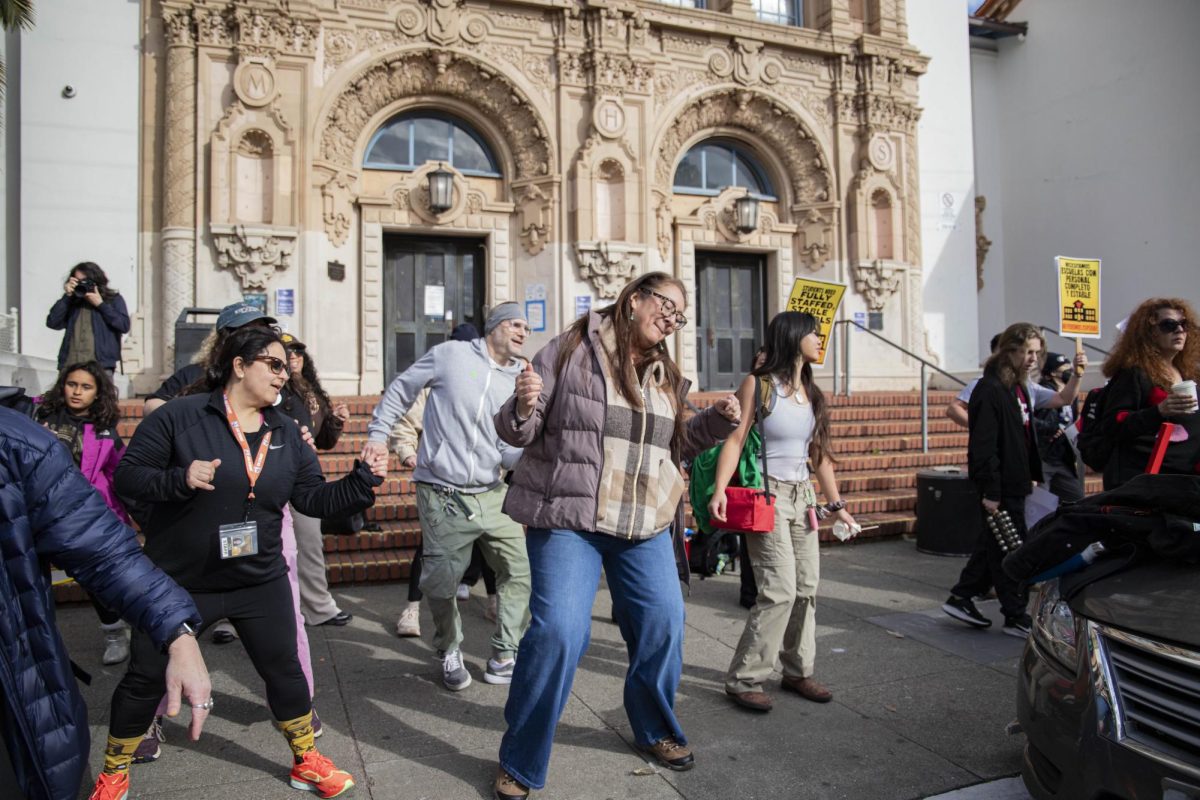
The Mission District has a school named after him, as well as one for Dolores Huerta. There is also a major street named after Chavez.
Dolores Huerta is less recognized than Cesar Chavez, despite also helping organize boycotts. Huerta also helped champion gender equality and fought against sexual harassment in the fields. She also helped secure childcare, while empowering women to take leadership roles and join picket lines.
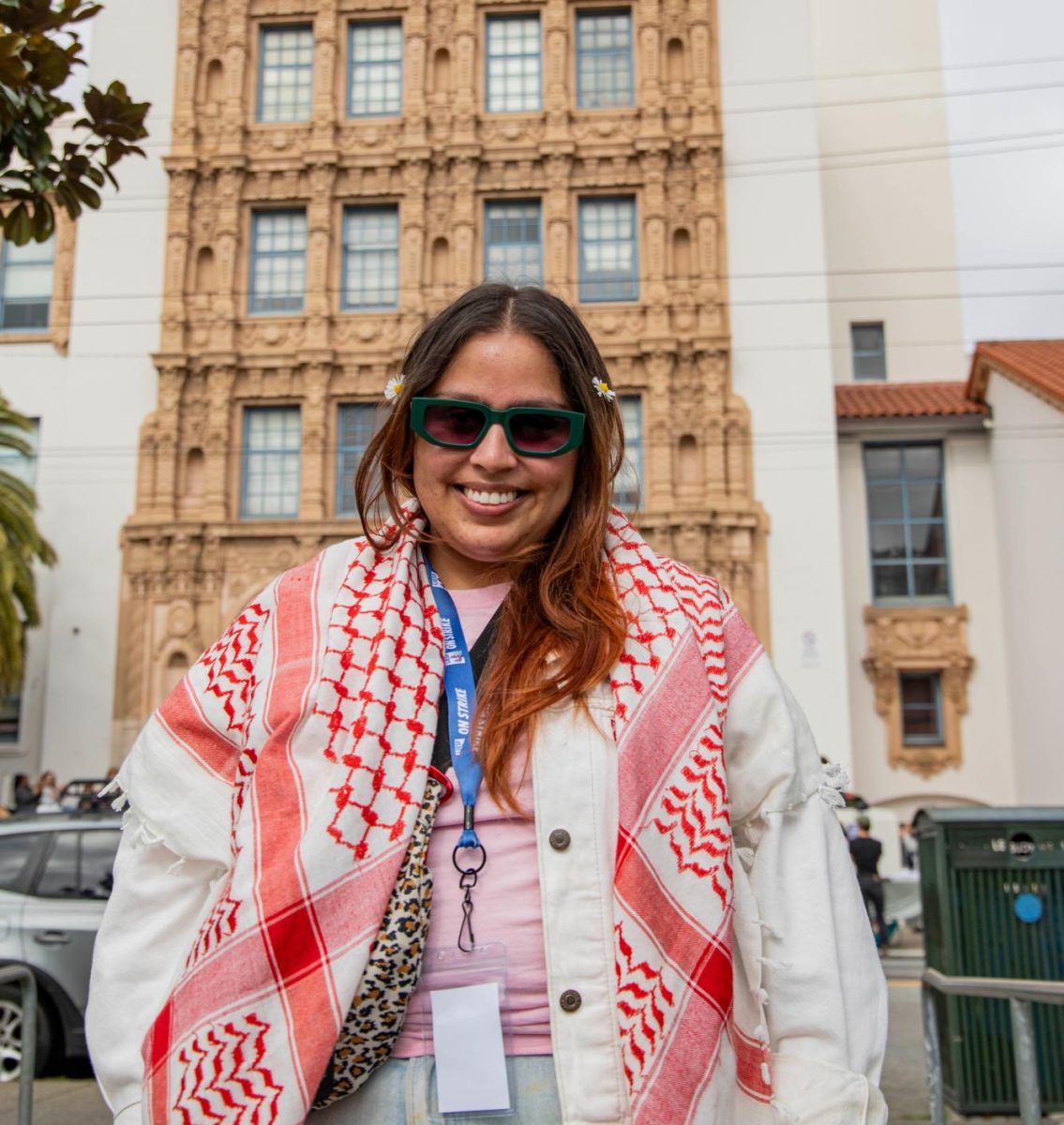
Gina Gonzalez, a freshman, believes that what happened between Dolores Huerta and Cesar Chavez was surprising. She believes people deserve to know the truth. Gina also thinks Dolores Huerta should receive more credit because people focus more on Chavez. Because of her gender, he saw her as a helper and not as a co-founder.
“What Dolores Huerta did was amazing. She embodied her words when she was finally ready to speak out after years of silence. That shows a lot for her. Even though Cesar Chavez is dead, it doesn’t mean that we can’t speak up,” said Gina.
Gina continued: “ Monuments should be renamed, as well as streets, since his legacy was completely false. It was based on a false narrative. We all got into our heads about him because he’s a man, and nobody would let a woman of color be in power.”
“It never really changed my opinion because I knew that he took most of the credit from Dolores Huerta in the whole farmers’ movement,” said Gina.
What people can take away from this experience is to understand and search for multiple narratives about an experience, along with wondering what other people have to say about why someone else has gone through a lot of trauma and kept it hidden. It shows how powerful that person is.
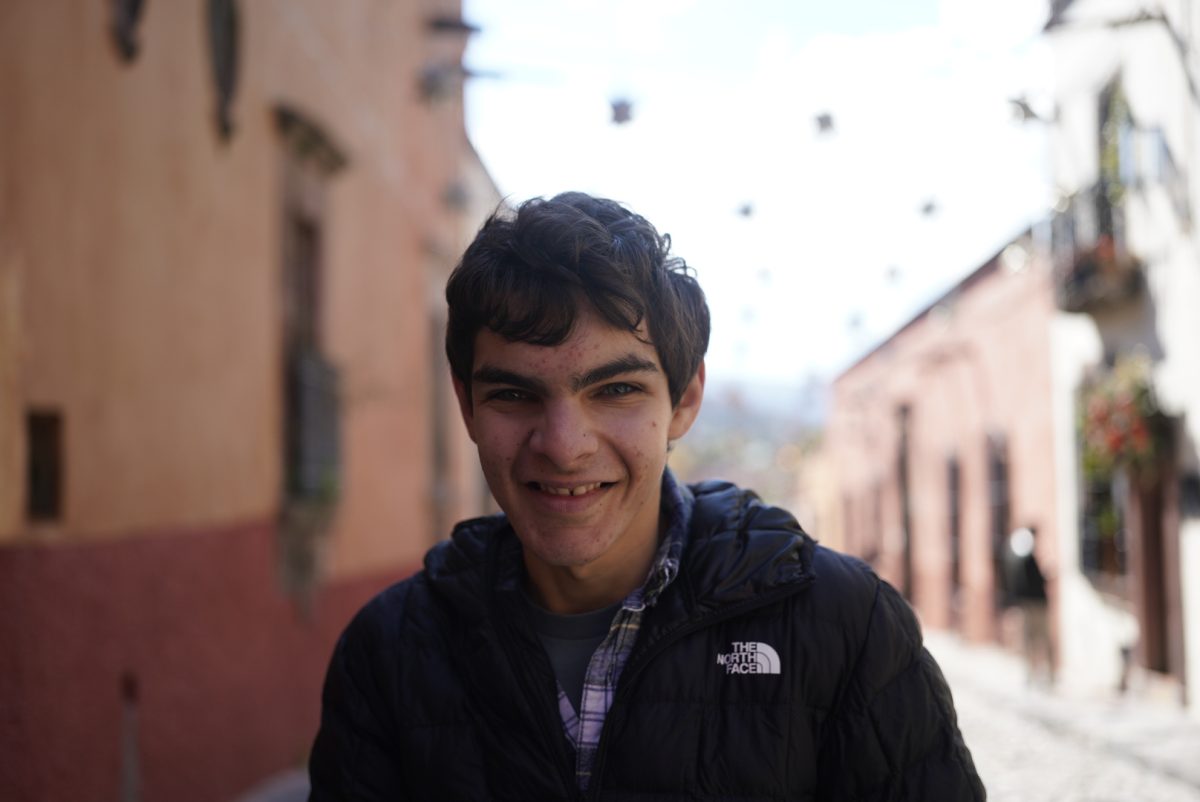
Sarabi Herrera, a freshman, was shocked about what happened: “ I knew Cesar Chavez since I was little. He was the first person I learned about [regarding] the civil rights of farmers.” She used to view him as a hero since he played a role in helping many farmers get what they wanted, helping them unite. They fought all together for the well-being of one another
Sarabi also said, “But it turned out that Chavez was not the hero I thought he was since I was little.” Dolores Huerta’s admissions changed her perspective on a person who she saw as a hero.
“The experience we can get is to know that people aren’t what they seem. No matter how recognized and loved they are, you will never know everything about them,” Sarabi said.
Silence allows injustice to continue. Knowing the truth of an event lets us be truly informed. We learn about all of these people who seemed like heroes to us, but the truth might have been a huge difference from reality.