





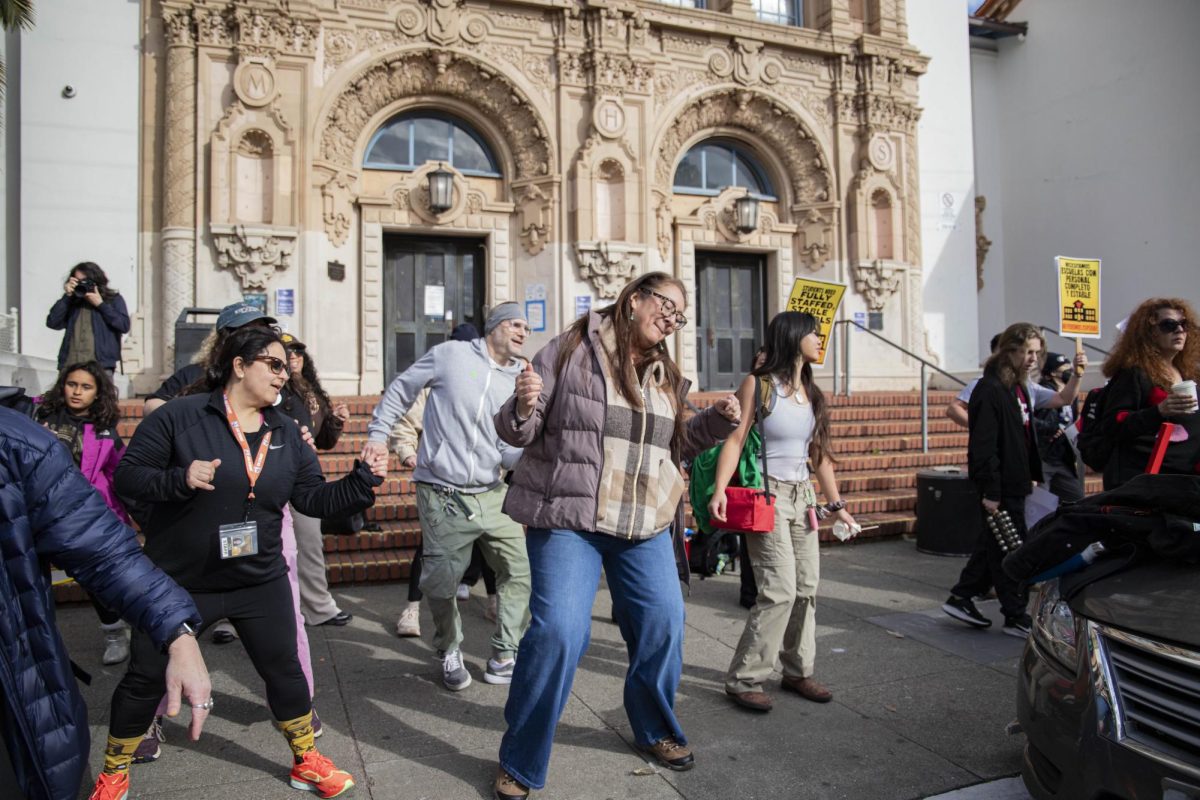



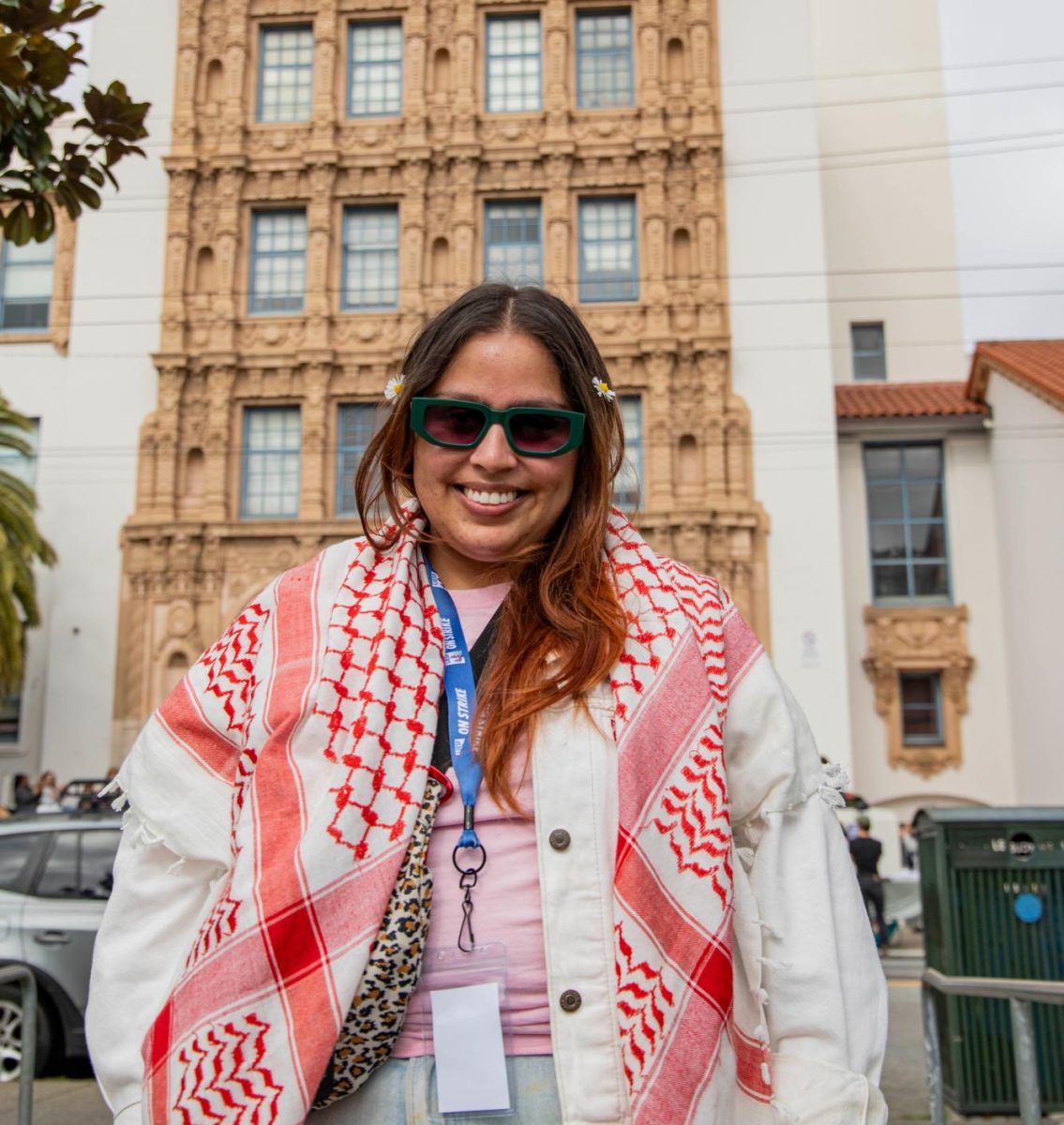
Lily Perales, a history and ethnic studies teacher who believed ordinary people could make a big change, was able to connect with her co-workers during the outcome of the strike. She became part of a movement that aimed to change education while also supporting students.
During the strike, she was on the media team. When news reporters wanted to talk to people, they were sent to her so she could help them prepare and not be caught off guard by reporters who might present different perspectives about the strike. She also reached out to people in the community, whether they were walking on the streets or through social media. She sent DMs to random people, including celebrities on Instagram, asking them to donate a few dollars. She said, “It worked because in total we were able to raise $10,000 for people who work here.” She did this to support teachers and staff who had families to take care of, since losing a big chunk of money from their paycheck for one month was not realistic. She said it felt good to know that they supported each other.
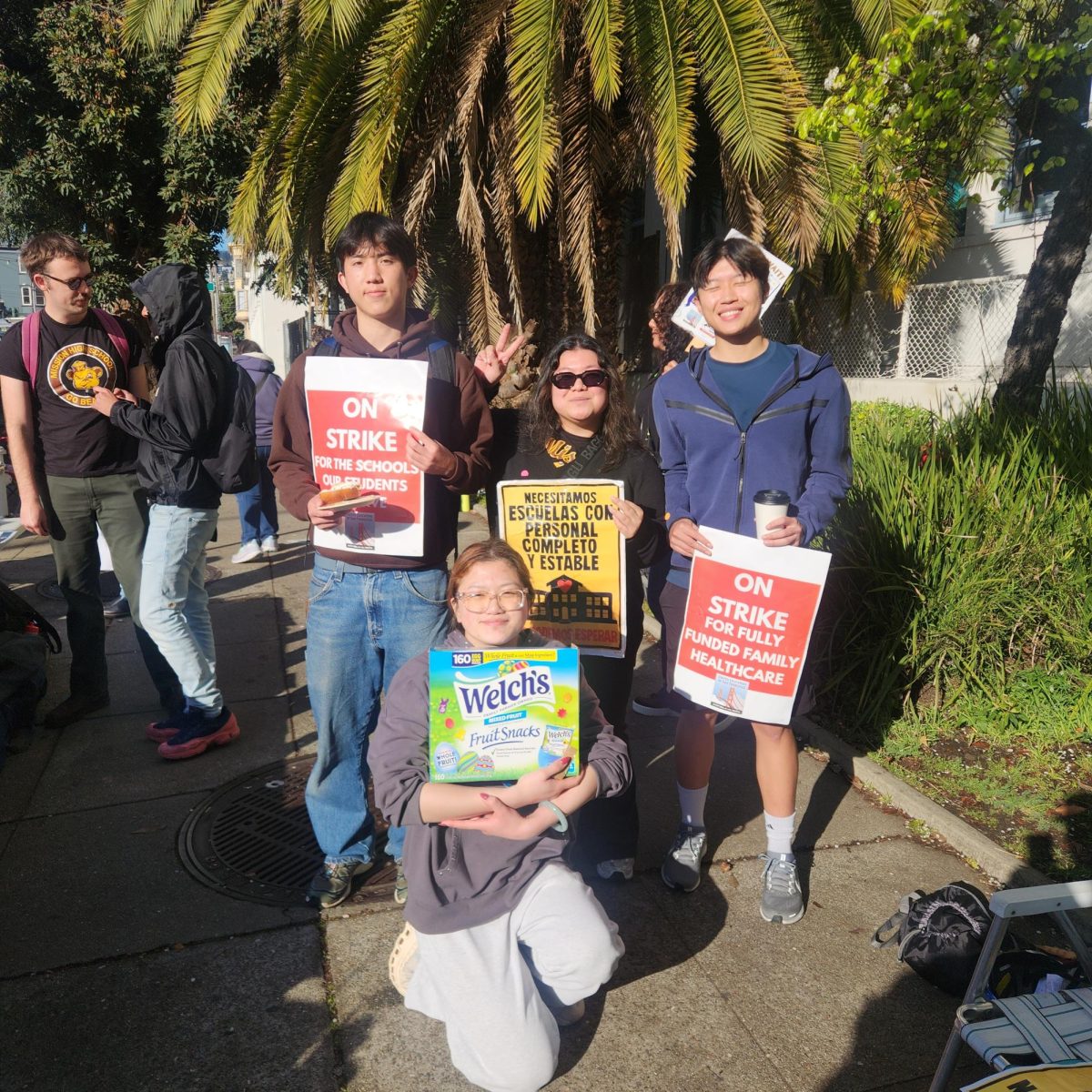
Overall, she described the experience as both positive and frustrating. She said it was inspiring to see students come up to them and ask what they were striking for, as well as seeing people in the streets showing support.
She continued, saying, “It was frustrating at the same time, as the district took a long time to cooperate, and it’s not like we wanted students to miss school. Many people thought we wanted that.” She explained that this happened after months of attempts to cooperate with the district, and that the strike was something they turned to after those efforts.
The significance of the strike, in her view, was to work together and advocate for protections for immigrant students. She commented, saying, “When we are thinking about cuts to things such as security, counselors, and academics, that always has a negative impact on Black and Brown students.” She said the strike was especially intended to support those students, even if it was not clear to every individual.
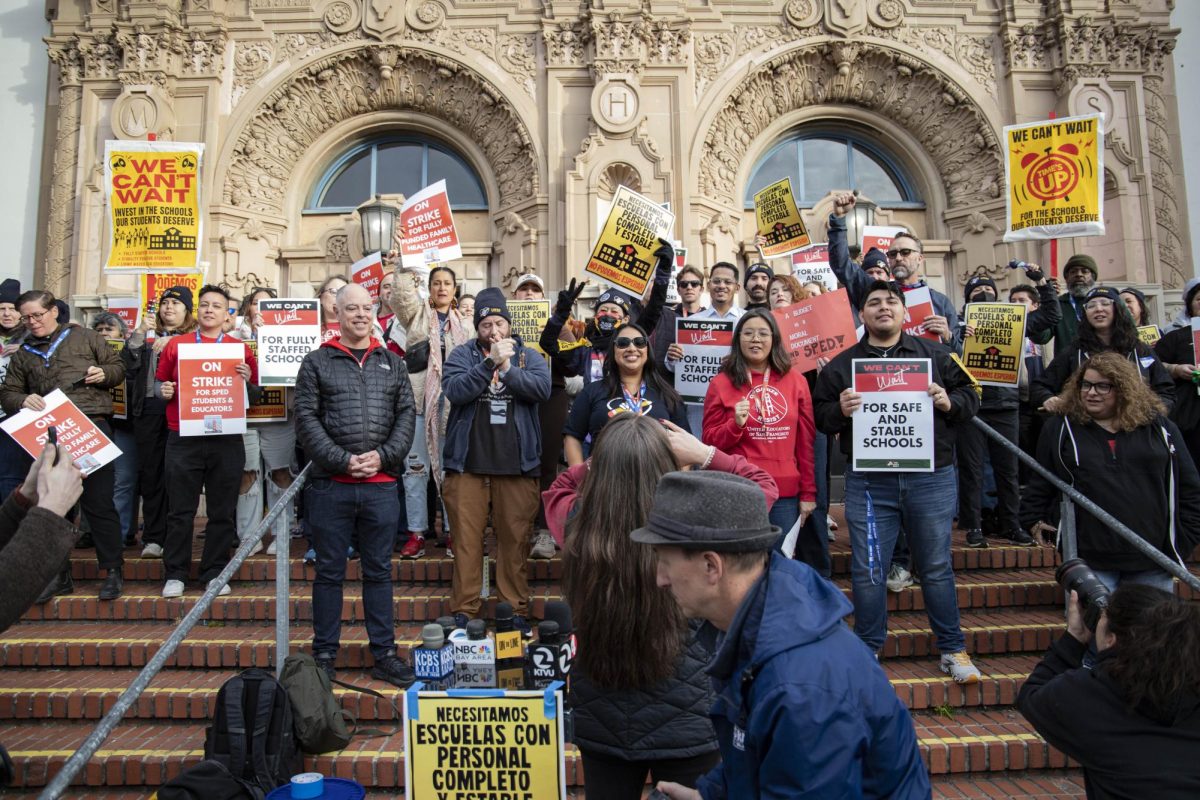
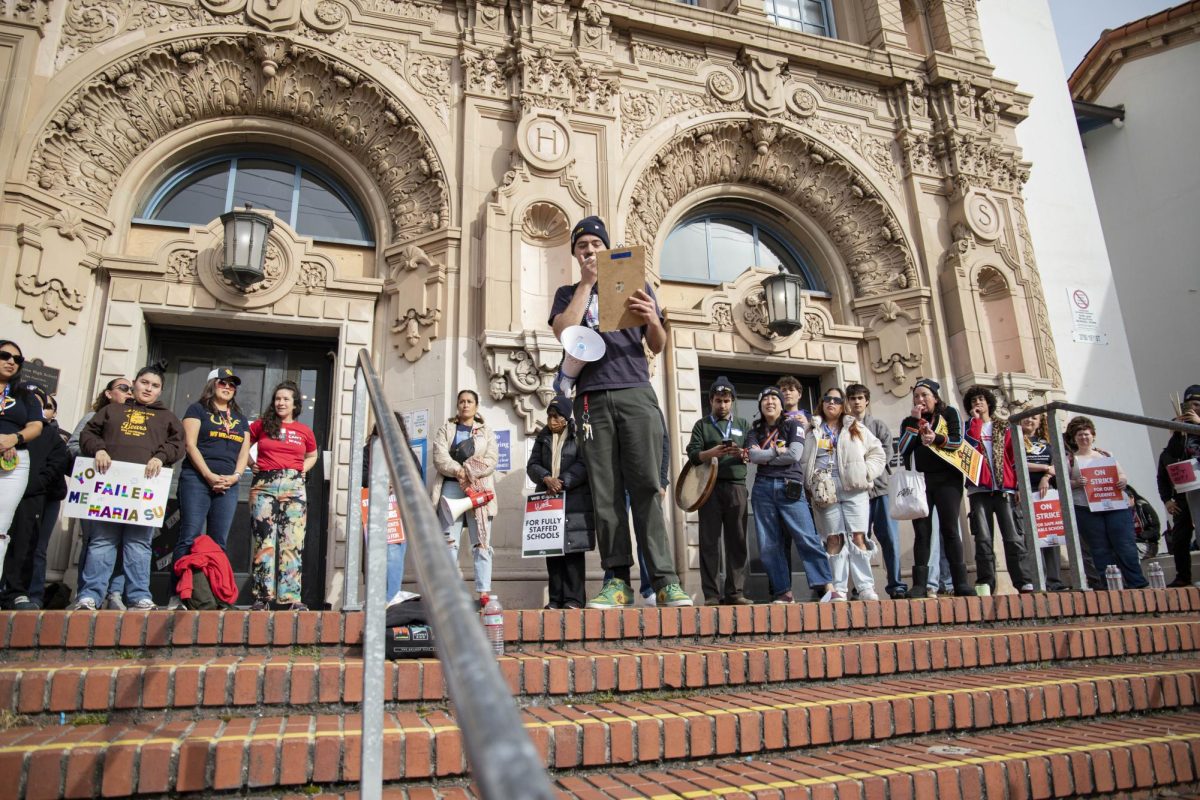
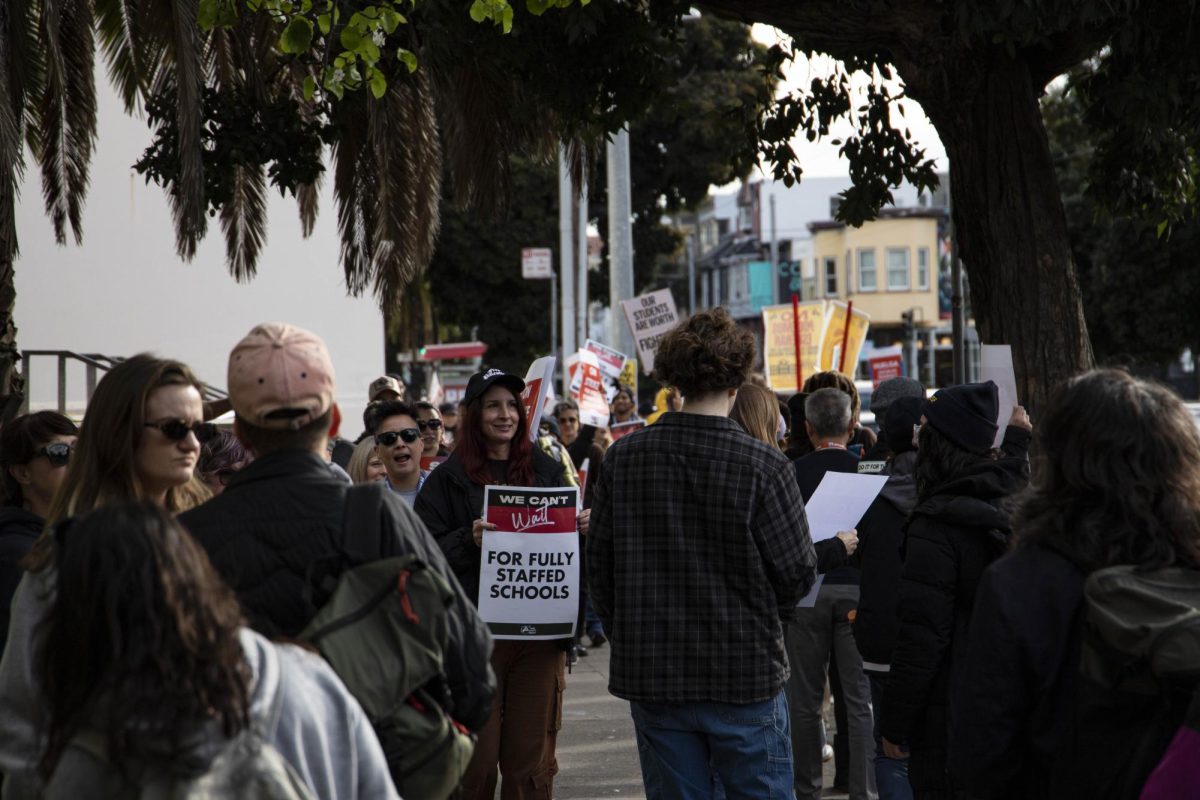
As for her belief that ordinary people could make a difference, she pointed to how students, teachers, and support staff showed up at Mission and other schools, eventually involving around 20,000 people. She concluded by saying, “I’m really grateful to the students who were there in the strike. As a history teacher, it feels like a lesson that we talk about in class paid off.” She also said that students who were not there still showed support by expressing their understanding during class discussions.
She added that many students chose not to engage with materials that the district provided, such as makeup work and packets. “The point of our strike was to take away money so that there’s more pressure put on the district,” she said. “So even just students not coming to school supported our cause.”