



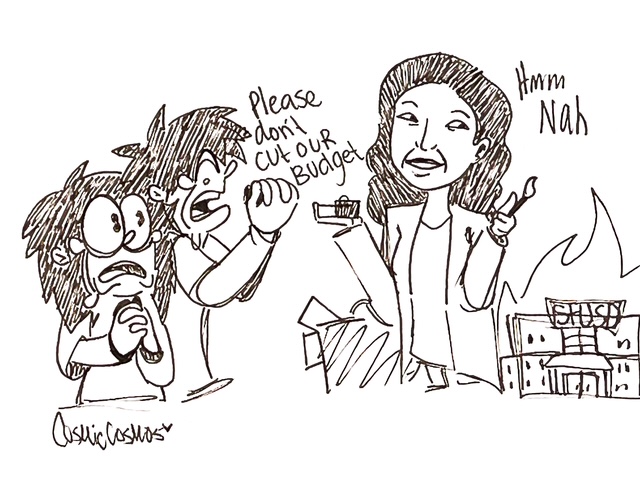




President Donald Trump and Homeland Security Secretary Kristi Noem have promoted immigration enforcement policies that many see as lacking humanity. Their use of force and intimidation has raised serious concerns about public safety, justice, and the role of immigration enforcement in communities across the country.
Although San Francisco is currently free of active ICE operations, events happening elsewhere show why many students and families remain afraid. What happens in other cities can happen here. Shootings should never be normal. The safety of our friends, families, and neighbors should not be something we are forced to question. Are we comfortable with shootings happening in our streets? Will we always have to worry about our safety?
Following President Trump’s immigration crackdown, which deployed ICE and Border Patrol agents nationwide, fear has grown in many communities. That fear is understandable. In several cases, immigration enforcement operations have resulted in fatal shootings and widespread protests.
On Jan. 7, 2026, Renée Nicole Macklin Good, a 37-year-old U.S. citizen, was fatally shot by a U.S. Immigration and Customs Enforcement agent in Minneapolis during a federal enforcement operation. Authorities said the agent fired while Good was in her vehicle.
Later that month, on Jan. 24, 2026, Alex Jeffrey Pretti, a 37-year-old intensive care nurse, was shot and killed by U.S. Customs and Border Protection agents in Minneapolis during protests against an immigration enforcement surge. These incidents have led many Americans to question whether safety exists equally for everyone.
Organizations that track law-enforcement use of force, including The Trace, have documented multiple cases in which immigration agents opened fire or held individuals at gunpoint during enforcement actions. Several people were also shot while attempting to drive away from those encounters.
How can people remain silent while racial profiling and violence by federal immigration agents cause students and families to fear going to school? Schools are meant to be safe spaces, yet many parents and students now worry about enforcement activity near campuses.
Student activism at Mission High School
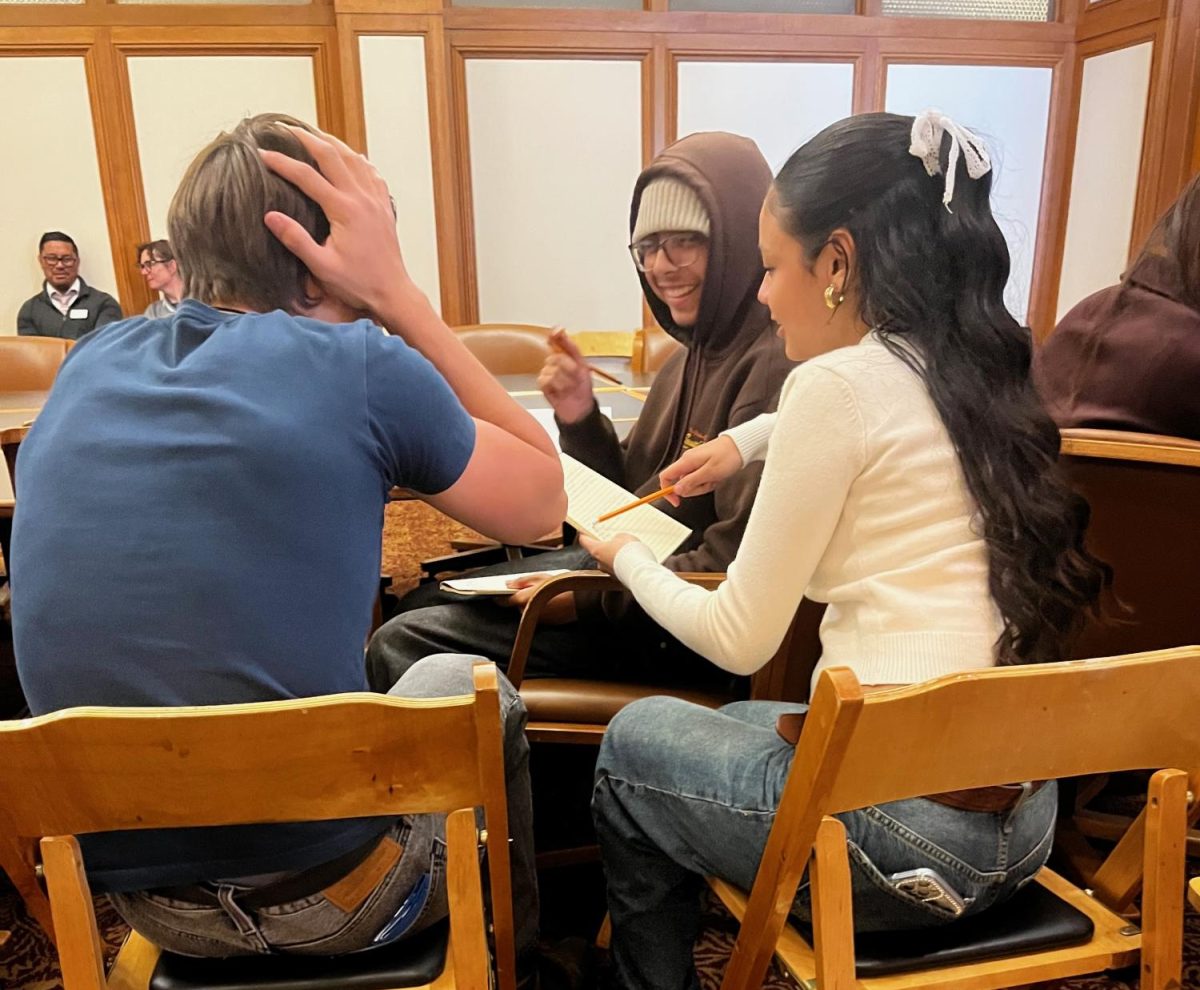
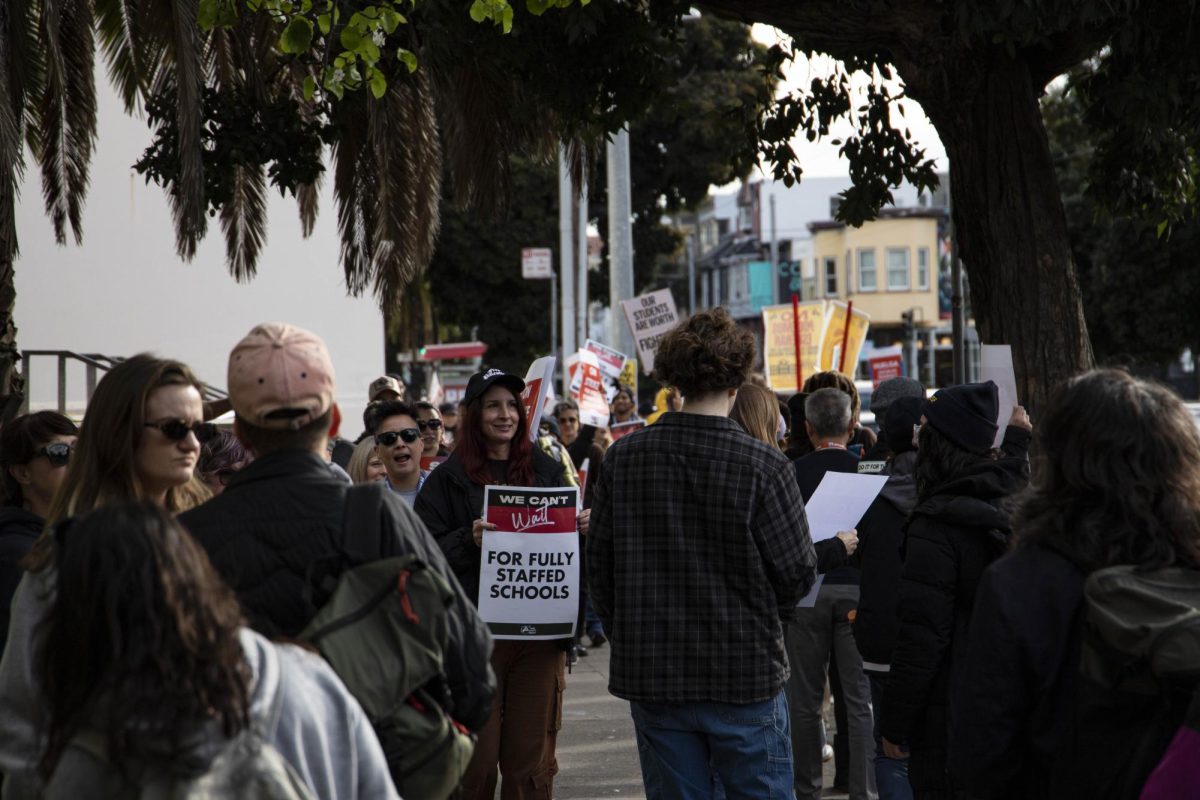
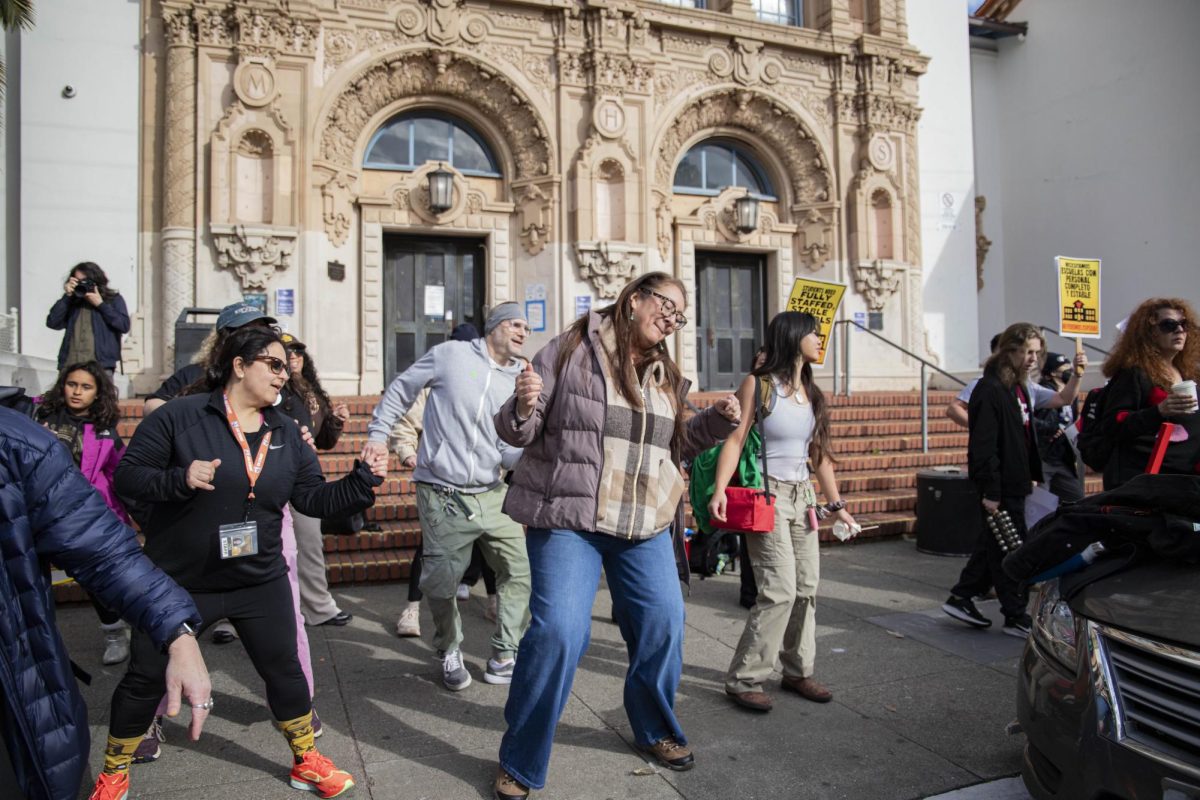
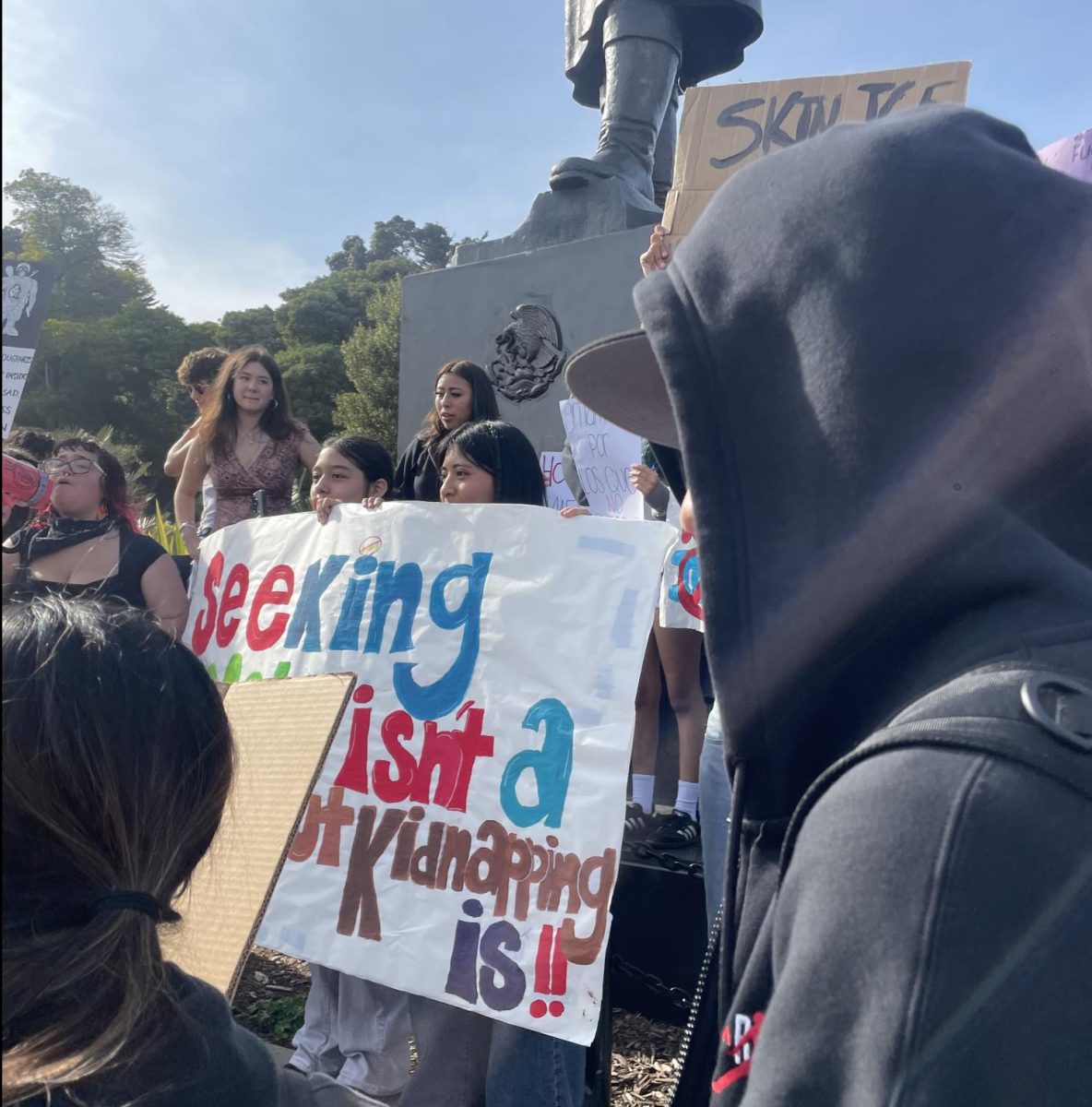
At Mission High School, youth activism has sparked. Students are organizing, protesting, and speaking up for what they believe in. This movement is not limited to Mission — it has spread across the district, the state, and the nation.
On Friday, Jan. 30, 2026, students across the city planned a youth-led walkout against ICE, beginning at Dolores Park.
Junior Ellen Tsui said, “It’s an important constitutional right to protest and to show the government that people are organized and don’t feel good about what’s happening.”
Senior Hina Branner said she wants to be a voice for those who feel unable to speak out, especially for a boy detained in Minnesota.
Senior Geovanna Piedra said she wants to “show resilience despite feeling afraid,” explaining that her family are immigrants and she does not want to put them in danger.
Why speaking out matters
Silence allows injustice to continue. Taking action means recognizing humanity in one another and staying informed. Many immigrants risk everything for their children and for the hope of a better future, often fleeing violence and poverty.
Students and community members can take action by joining demonstrations, speaking out, and supporting affected communities. One way to help is by supporting organizations such as standwithminnesota.org, which advocate for accountability and humane immigration policies.
Edited by Camille Ng