






If your 14R or 49 took longer than usual this week, you’re not imagining it. San Francisco’s public transit system, Muni, is in the middle of a major budget crisis that’s leading to service cuts and schedule changes, and could reshape how people get around the city.
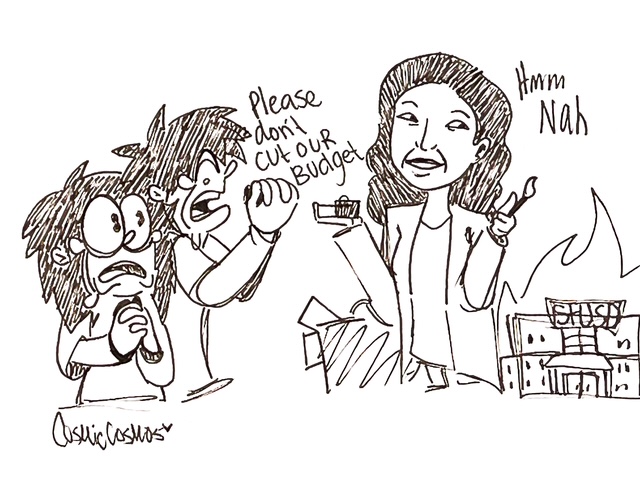
Muni is projecting a budget deficit of about $307 million by June 2026. That number may sound abstract, but for the agency, it means there won’t be enough money to cover all of its expenses, from paying operators to maintaining buses and tracks.
To save money, Muni reduced service by about 2% this summer, a move that trimmed around $7 million from its costs. But those savings come at a price for riders. Five major bus lines saw heavy service reductions or route changes, including the 6 Haight-Parnassus, 9 San Bruno, and 31 Balboa, while the 21 Hayes was eliminated and merged into the 6 Hayes-Parnassus.
A significant part of the Muni’s problem is that ridership has still not recovered to pre-pandemic levels. With fewer people riding, fewer fares come in, which leaves less money to fund operations. At the same time, costs for wages, fuel, and maintenance keep rising, and the city’s budget hasn’t kept pace with what it takes to keep public transportation running smoothly.
But who’s making these decisions? Muni is run by the San Francisco Municipal Transportation Agency (SFMTA), which is overseen by a board of directors. The board approves Muni’s budget and decides on changes to fares, fees, and service. Board members are appointed by the mayor and confirmed by the board of supervisors, meaning city leaders have a big role in what happens to the buses and trains we rely on.
When Muni drafts its budget, it has to follow formulas laid out in the city charter that determine how much funding comes from the city’s general fund. The mayor reviews Muni’s proposed budget and then sends it to the board of supervisors for approval. The controller’s office also monitors city finances and works with Muni to find ways to close funding gaps, like creating a Muni funding group made up of city departments, community groups, and transit advocates.
For now, the cuts are Muni’s way of trying to survive, but they affect almost everyone, such as students, workers, and seniors, who depend on public transit and are now dealing with longer waits and more crowded buses.
Ms. Servellon, a school counselor, takes the M train on her way to work, but has also experienced problems with Muni, where “the train stops…and they’re like we don’t have any outgoing buses.” Issues like these give riders no solution to trains breaking down or buses being delayed, forcing people to wait around, and delaying them from getting to school, work and other important events.
These issues are happening in real time and need to change. Even for those who don’t ride Muni, fewer buses on the streets can mean more traffic and congestion across the city.
City officials and community groups are searching for ways to fix Muni’s financial crisis. The Muni Funding Working Group is looking into new funding sources like state grants, city taxes, and partnerships with local businesses. Transit advocates are also urging City Hall to prioritize Muni in the city budget, warning that more cuts will make it harder for people to get to work, school, and downtown.
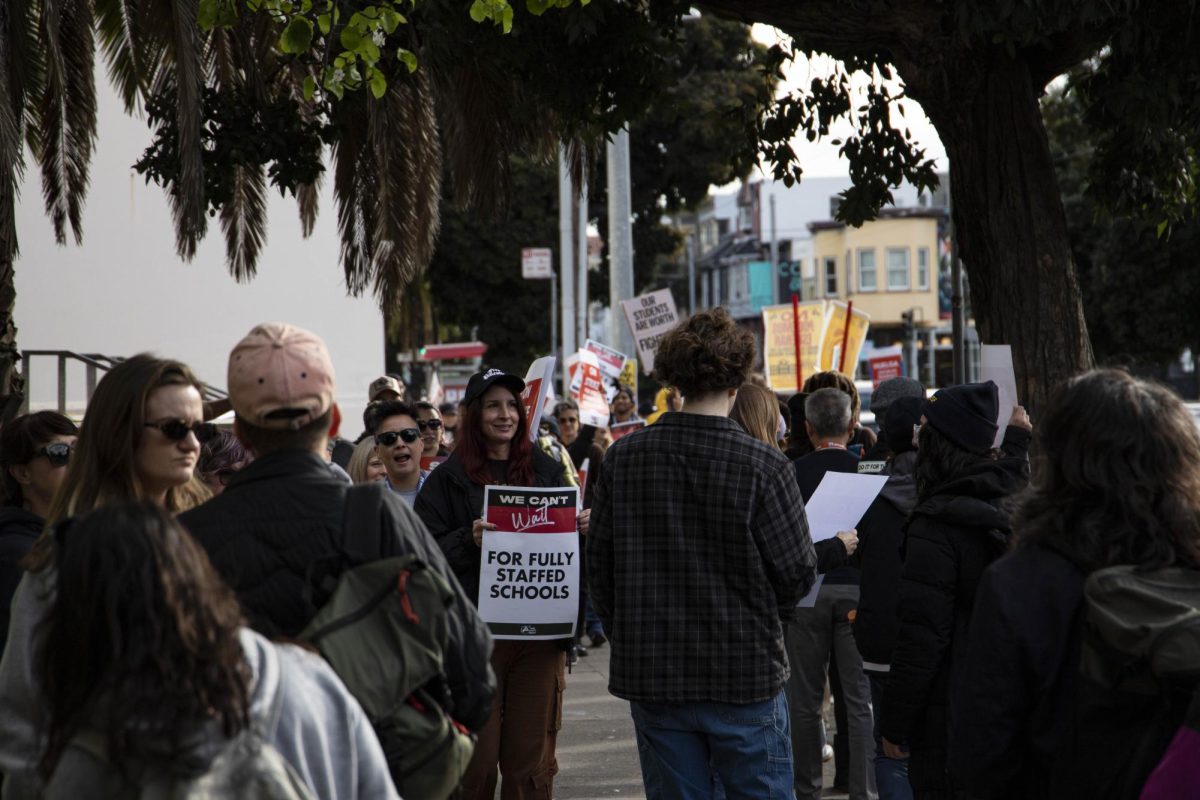
Students can help too by contacting city leaders, speaking at public meetings, or sharing how service cuts affect them. Keeping Muni running matters for everyone, because public transit keeps San Francisco connected and moving.





Brandon Drawn • Nov 7, 2025 at 1:19 pm
This is very eye-opening. I always felt like the Muni was less consistent this year. I see a lot of Muni riders board without paying nowadays, and maybe that is contributing to the issue.
Shayne K West • Nov 7, 2025 at 1:18 pm
As a frequent Muni rider this article is very informative, and definitely allows me to put in perspective why my buses have been taking so long to arrive at certain stops that I frequent. Exquisite article.
Rosy • Nov 7, 2025 at 1:16 pm
The hook was intriguing and was really informative.
Kaeloni • Nov 7, 2025 at 1:14 pm
very cool
Kerry Sanchez • Nov 7, 2025 at 10:47 am
The hook at the beginning of the article is fantastic! I like that you give some ideas for students to take action.